Animal Identifier
Upload a photo of an animal and get its likely species, habitat, and the traits that gave it away.
What the Animal Identifier does
A shape moves at the edge of a trail, a bird lands on the fence and disappears before you can look it up, or an aquarium tank holds something you can't name. This tool takes a photo of any of those moments and works out which species it most likely shows. It reads body shape, coloring, markings, and posture the way a field guide would, then names the species and family, notes whether the animal looks wild or kept, and flags an age stage when it's visible. You get a plain answer plus the reasoning behind it, including a couple of similar species it ruled out, so a striped moth and a striped wasp don't get mixed up by accident.
See a sample result
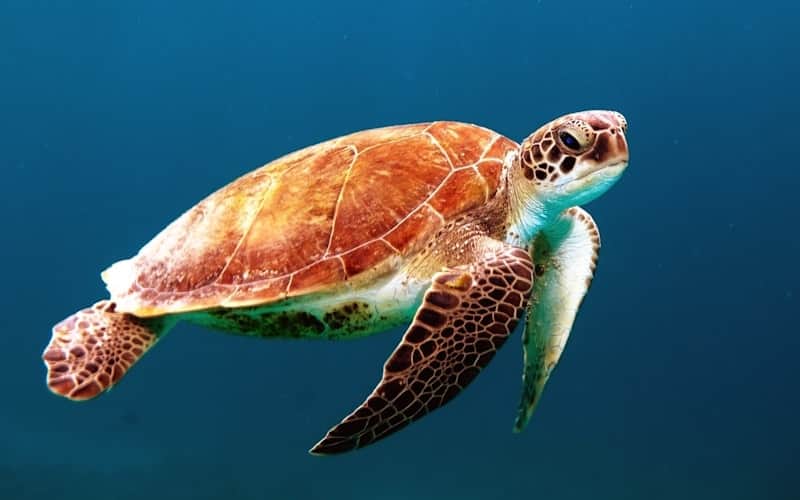
Input: An underwater side-profile photo of a sea turtle swimming across the frame against deep blue water. The shell is orange-brown with clearly outlined plates, and the head and flippers are covered in dark-edged, tile-like scales over pale skin.
- Green sea turtle78%
- Loggerhead sea turtle14%
- Hawksbill sea turtle8%
Likely species: Green sea turtle (Chelonia mydas), identified from the small, rounded head with a short, blunt snout and the smooth, non-overlapping orange-brown scutes on the carapace.
What sets it apart: The head shape rules out the loggerhead, which carries a noticeably larger head and thicker jaw built for crushing shellfish. The hawksbill turtle has a narrower, hooked beak and overlapping shell scutes that shingle over each other, neither of which shows up here.
Habitat and range: Green sea turtles live in tropical and subtropical coastal waters worldwide, feeding mainly on seagrass and algae as adults, which is unusual among sea turtles and gives older individuals a greener tint to their body fat.
Life stage: With no size reference in open water, age is hard to judge. The clean, unworn shell edges fit a subadult or young adult, but a single photo can't confirm it.
Close alternatives: Loggerhead sea turtle and hawksbill sea turtle, both ruled out mainly on head and scute shape rather than color, since lighting and algae growth can shift a shell's apparent color quite a bit underwater.
How it works
- 1
Upload a clear photo of the animal
A shot where the animal fills a good part of the frame works best. Side profiles that show the head, body, and limbs together give the AI the most to work with.
- 2
The AI reads coloring, markings, and body shape
It compares shell or scale patterns, fur or feather color, limb proportions, and posture against the traits that separate similar species.
- 3
Add a note in the details box if you have one
Mention where you saw it, roughly how big it was, or what it was doing, and the result will factor that context in directly.
- 4
Get the species, family, and confusable alternatives
The result names the most likely species with scores for close lookalikes, plus habitat range and a few facts about the animal's behavior.
Use cases
Naming wildlife on a hike or dive
You spot something unfamiliar on a trail, at the beach, or underwater and want a name before the memory or the photo opportunity is gone.
Checking a backyard visitor
A bird, snake, or insect shows up in the yard and you want a quick read on what it is before deciding whether to get closer.
Confirming a pet or livestock breed
Owners photograph an unusual-looking pet, fish, or bird to get a species or breed-level guess when the seller or shelter wasn't sure.
Teaching kids about nature
Turn a family walk into a naming game: photograph whatever shows up and read the result together, including why it isn't the similar-looking species next to it.
Sorting through old travel or dive photos
Go back through photos from a trip and finally identify the animals you photographed but never looked up at the time.
Tips for better results
- Get close enough that the animal fills a meaningful part of the frame, since distant shots lose the detail the AI needs.
- A side-on angle showing the head and body together beats a straight-on face shot for most species.
- Avoid heavy shadow or backlighting, which can flatten fur, feather, or scale patterns into a single dark shape.
- If the animal was moving fast, a slightly blurry photo still beats no photo. Just expect a wider range of possible matches.
- Note the general location in the details box. Range alone can rule out several lookalike species in one line.
Limitations
This is a visual read based on one photo, not a wildlife database lookup or a DNA test. Some species pairs look nearly identical from certain angles, especially juveniles, hybrids, or animals with unusual coloring, so treat close alternatives as genuinely possible. For anything that could be venomous, protected, or dangerous, don't rely on this result to decide how close to get.
Frequently asked questions
Does it work on insects and small creatures, not just mammals?
Yes. It handles insects, reptiles, amphibians, fish, and birds as well as mammals, as long as enough body detail is visible in the photo.
Can it tell if an animal is dangerous or venomous?
It can name the species and note general traits, but treat any species that could be venomous or aggressive with caution regardless of the result, and don't approach based on this alone.
What if the photo only shows part of the animal?
A partial view, like a tail or a wing, still gets analyzed, but the result will lean on fewer clues and may list more possible species than a full-body photo would.
Will it identify a pet breed, or just the species?
For domesticated animals it aims for breed-level detail when the traits are visible, though mixed-breed pets often come back with a couple of likely breeds rather than one certain answer.
Can it tell a captive animal from a wild one?
It notes visible cues like enclosures, tags, or grooming that suggest a captive setting, but it's reading the image, not confirming where the animal actually lives.
Why did it list more than one possible species?
Many species look alike from certain angles or at certain ages. The scores reflect how confident the match is, and close runner-ups are genuinely worth considering, not just a hedge.
Plans start at $9 a month. See pricing