AI Antique Identifier
Upload a photo of an old item and get a rough visual read on era, style, and value factors.
What the Antique Appraiser does
You found something in an attic, an estate sale, or a relative's basement, and you want a starting point before you spend money on a real appraiser. Upload a photo and the AI walks through what it sees: the likely era or style movement, construction details, materials, maker's marks if they're visible, and condition issues that would affect value. It also names the kind of factors, like rarity and provenance, that a professional would weigh. This is a rough visual estimate, not a certified appraisal. It can't hold the piece, check for repairs hidden underneath, or verify a signature is authentic. Think of it as a first pass that helps you decide whether the item is worth a professional's time.
See a sample result
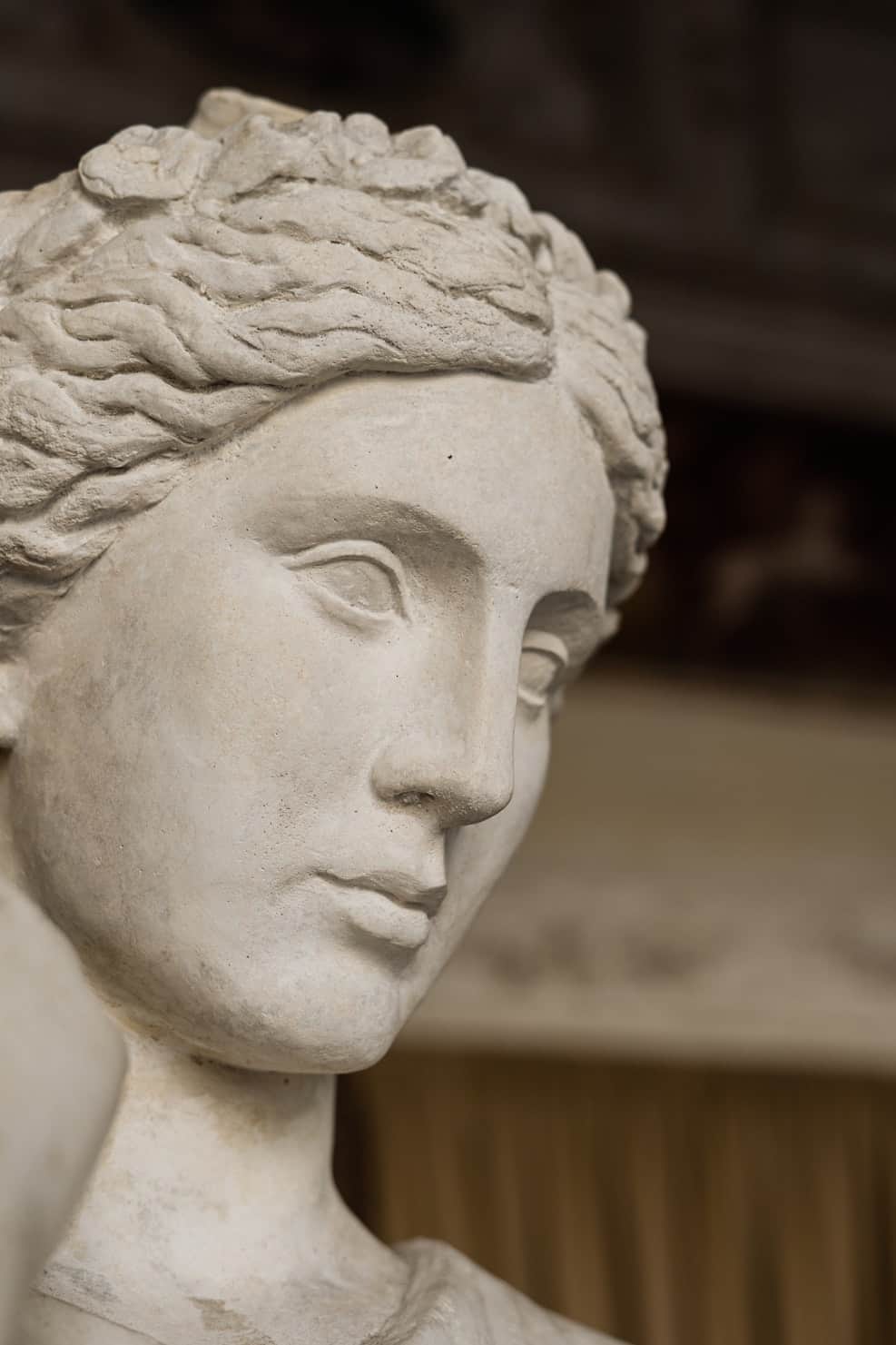
Input: A close-up photo of a weathered plaster or cast-stone bust of a classical female figure, showing wavy carved hair pulled back, a straight nose, and softly worn facial detail, photographed against a dark, blurred interior background.
- Age indicators55%
- Craftsmanship quality62%
- Condition70%
- Rarity signals30%
Likely category and style
This reads as a classical-revival decorative bust, styled after Greco-Roman portraiture, a common form for garden ornaments, plaster casts sold to art students, and neoclassical home decor. The soft, slightly worn detail in the hair carving and features is typical of cast plaster or composite stone rather than hand-carved marble.
Materials and construction
The surface texture and evenness of the carving lean toward a mold-cast piece rather than an original hand-carved sculpture. Cast reproductions like this were produced widely from the 19th century onward for both decorative and educational use, so this style alone doesn't confirm age.
Condition notes
The surface looks slightly dusty and pitted, with softened edges on the hair curls, consistent with age, handling, or time outdoors in a garden. No visible cracks or repairs from this angle, though the base and reverse side aren't shown.
What would affect value
For a piece like this, value hinges on whether it's an original sculptor's cast versus a later mass-produced copy, the maker if a mark exists on the base, and whether it has documented provenance. Without a visible signature or foundry mark, this is best treated as a decorative piece rather than a valuable original.
How it works
- 1
Upload a clear photo of the item
Each run reads one photo. Start with the whole piece in frame, then run a close-up of any maker's mark, signature, hallmark or joinery as a separate photo. Even, natural light shows wood grain, patina, and wear more honestly than a flash photo.
- 2
The AI reads construction and style
It looks at material, joinery or manufacturing technique, decorative style, and wear patterns to place the piece within a likely era, from Victorian to Mid-Century Modern and beyond.
- 3
Mention what you know in the details box
Family history, where you got it, or a partial signature all help. The AI folds that context into the read instead of guessing purely from what's visible.
- 4
Get a written breakdown and value factors
You get an estimate of era and style, notes on materials and condition, and a plain explanation of what tends to raise or lower value for a piece like this, without a specific dollar figure.
Use cases
Deciding whether to get a real appraisal
Before paying for a professional appraiser or auction house consultation, get a rough read on whether a piece looks old enough or distinctive enough to be worth the cost.
Sorting an estate or inherited collection
Going through a relative's belongings often means dozens of unfamiliar objects. Photograph each one to get a quick first pass on likely era and category before deciding what to keep or research further.
Checking before an estate sale or donation
Get a sense of which items might be worth researching before you sell everything off cheaply or hand a potentially valuable piece to a donation bin.
Learning to spot period and style
Collectors building an eye for furniture or decorative arts periods can use it as a study aid, comparing the AI's read against reference books to sharpen their own identification skills.
Verifying a seller's claim before buying
Shopping at a flea market or online listing, upload the seller's photo to see whether the claimed era and style line up with what's visually consistent, before you commit to a purchase.
Tips for better results
- Photograph the whole item first, then get close-up shots of any marks, signatures, or labels on the base or underside.
- Use natural, even light. Harsh flash can wash out patina and wear patterns that matter for dating a piece.
- Include a size reference, like a ruler or a common object, since scale isn't always obvious from a photo alone.
- Note any family history or purchase details in the details box, even if it's incomplete.
- Photograph joinery, hinges, or screws on furniture; hardware style is one of the more reliable age clues.
Limitations
This is a visual estimate, not a certified appraisal, and it doesn't produce a specific monetary value. A real appraiser can handle the item, check weight and material directly, examine it under magnification, and verify provenance through documentation, none of which a photo allows. Reproductions and later copies can closely mimic period style, and the AI can be fooled the same way an untrained eye can. For insurance, estate, tax, or sale purposes, get a written appraisal from a credentialed appraiser rather than relying on this as a final answer. Treat this as a starting point for research, not a value you can act on financially.
Frequently asked questions
Can it tell me exactly how much my antique is worth?
No. It describes likely era, style, materials, and condition, and explains what factors affect value, but it won't give you a specific dollar figure. Actual value depends on market demand, verified provenance, and a hands-on inspection.
How accurate is the age estimate?
It's a rough visual read based on style, construction, and wear, similar to a first guess from someone knowledgeable but without hands-on access. Reproductions and later revival pieces can look older than they are, so treat the estimate as a range, not a confirmed date.
Can it authenticate a signature or maker's mark?
It can describe what a mark looks like and what maker it resembles, but it can't verify authenticity the way an expert with reference databases and physical inspection can. Get a suspected valuable signature checked by a specialist.
What should I photograph for the best result?
Start with the whole piece, then run separate close-ups of any marks, joinery, hardware or unusual construction details. Each run reads one photo and uses credits, so pick the angle that shows the most telling detail, and mention what the other angles show in the details box.
Does it work on furniture, jewelry, and art, or just objects?
It works across categories: furniture, ceramics, jewelry, glassware, and decorative art all get analyzed for style, materials, and era in the same way.
Should I use this instead of a professional appraiser?
Use it as a first pass, not a replacement. If the read suggests the piece might be genuinely old or valuable, follow up with a credentialed appraiser before you sell, insure, or donate it.
Plans start at $9 a month. See pricing