Plant Identifier
Upload a photo of a plant, tree, or natural scene and get a likely species with identifying details.
What the Plant Identifier does
You're on a trail, something catches your eye, and you have no idea what you're looking at, only a phone camera and a question. This tool reads a photo of a plant, tree, flower, or a wider natural scene and works out the most likely species based on visible traits: leaf shape, bark, flower structure, growth pattern, and the setting around it. When a photo shows a broader scene rather than a single specimen, it describes the dominant plant types and habitat instead of forcing a single guess. It's built for hikers, gardeners, and anyone who wants a name to go with what they're seeing, with honest notes when the identification isn't certain.
See a sample result
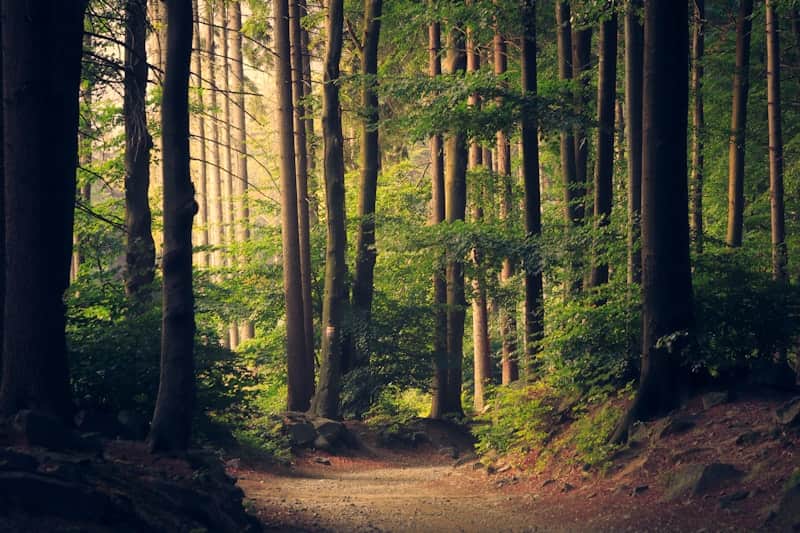
Input: A wide forest scene: a dirt path curves through tall, straight-trunked trees with a mix of dark conifer bark on one side and lighter, smoother trunks on the other, with green foliage overhead letting dappled sunlight through onto the path and leaf litter below.
- Norway spruce55%
- Silver fir30%
- Scots pine15%
What this shows: This is a wider woodland scene rather than a single specimen, so this reads the dominant tree types and habitat instead of naming one plant.
Likely trees: The darker, ridged bark and tall straight trunks on one side of the path are consistent with Norway spruce, a common conifer in temperate mixed forests. The lighter, smoother-barked trees interspersed among them look consistent with European beech, which often grows alongside spruce in this kind of mixed woodland.
Could also be: The conifers could be silver fir, which shares these forests and looks much the same from a distance. Up close, spruce needles are sharp and four-sided while fir needles are flat with two pale stripes underneath, and spruce cones hang down while fir cones stand upright. Scots pine is a weaker option: its upper trunk would show orange, flaky bark, which isn't clear here.
Habitat notes: The dappled light reaching the forest floor and the leaf litter suggest a mature mixed forest with a fairly closed canopy, typical of temperate woodland found across much of Europe and parts of North America.
For a closer identification: A photo of a single trunk's bark, a cluster of needles or leaves, or any cones or nuts on the ground would let the tool narrow this down to a specific species with more confidence.
How it works
- 1
Upload a photo of the plant or scene
A close shot of a leaf, flower, or bark gives the most specific answer. A wider landscape photo still works, but the result will describe general vegetation rather than a single species.
- 2
Add a note with any extra context
Mention the location, season, or anything distinctive, like a smell or where it was growing, and the identification will factor that in.
- 3
The model reads visible traits
It examines leaf shape and arrangement, bark texture, flower or fruit structure, overall growth form, and the surrounding habitat visible in the frame.
- 4
You get a likely name and close alternatives
The result names the most probable species along with lookalikes it could be confused with, plus notes on habitat and any caution worth knowing.
Use cases
Identifying a plant on a hike
A hiker photographs an unfamiliar tree or flower along a trail and gets a likely name plus habitat notes without carrying a field guide.
Checking a plant before bringing it home
A gardener photographs a wild plant or cutting to get a likely identification before deciding whether to plant it or remove it.
Learning to read a forest or garden
Someone new to plant identification uploads photos of a familiar backyard or park to build a mental list of what's actually growing there.
Documenting a nature walk
A photography enthusiast identifies the plants in a batch of nature photos afterward, adding names to an otherwise unlabeled photo album.
Tips for better results
- Photograph a single leaf, flower, or section of bark up close for the most specific identification.
- Include something for scale, like a hand or a coin, if the plant's size matters for telling it apart from a lookalike.
- Take a second photo of any flowers, fruit, or cones if present; these details narrow down species faster than leaves alone.
- Mention your general location and season in the notes field, since many lookalike species don't share the same range or bloom time.
- If the first result feels uncertain, photograph a different part of the same plant and try again.
Limitations
This is a visual estimate based on what's in the photo, not a lab test or a botanist's field examination. Look-alike species, unusual lighting, and photos taken from a distance can all lower confidence, and some plants can't be told apart without details like flowers, fruit, or bark that aren't always visible in a given shot. Never eat, apply, or otherwise use a plant based on this identification alone. If foraging or checking for a toxic plant, confirm with a trusted local field guide or an expert before doing anything with the plant itself.
Frequently asked questions
Can it identify a plant from a photo that isn't a close-up?
Yes, but a wider scene gets a general read on the dominant plant types and habitat rather than a confident single-species identification.
Is it safe to eat a plant based on this identification?
No. Never eat or forage a plant based on a photo identification alone; confirm with a trusted local expert or field guide, since misidentifying edible and toxic species can be dangerous.
Does it work on trees and not just flowers?
Yes, it can identify trees, shrubs, flowers, and other plants, and it reads bark, leaf shape, and growth form when a close flower shot isn't available.
Why did it give me two or three possible species instead of one?
Many plants share very similar features from certain angles, so listing close alternatives is more honest than forcing a single confident guess.
Can it identify animals or wildlife too, not just plants?
Yes, this tool can also read visible animals, insects, and wildlife in a photo, describing what it sees alongside any plant identification.
What's the best type of photo to upload?
A sharp, well-lit close-up of a leaf, flower, or bark section works best; blurry, distant, or heavily shadowed photos are harder to identify with confidence.
Plans start at $9 a month. See pricing