What Haircut Suits Me?
Upload a photo and get haircut ideas built around your face shape and hair type.
What the Haircut Matcher does
Scrolling through a hundred saved haircut photos before an appointment rarely tells you which one will actually work on your head. This tool looks at a photo of you and reads your face shape, hair type, texture, and density, then suggests specific cuts and lengths that tend to flatter that combination. You can mention a hair goal in the details box, like growing out a cut or wanting lower maintenance, and the suggestions adjust around it. The result reads like notes from a stylist consultation: a few named cuts, why they'd work, and how to describe them at your next appointment.
See a sample result
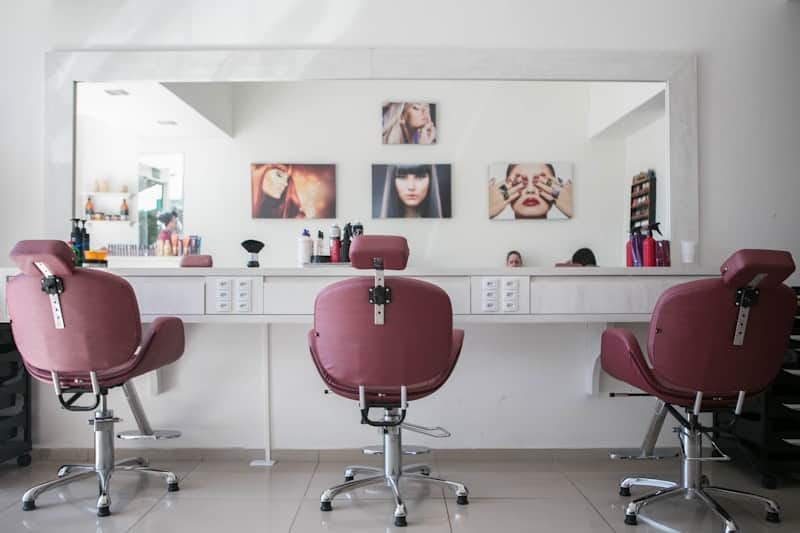
Input: A representative example, since the photo at the top of this page shows an empty salon station and is an illustration rather than a real input photo: a front-facing selfie in daylight, showing a round face shape, medium-density wavy hair falling just past the shoulders, and a slightly rounded hairline.
- Long Layers Fit86%
- Curtain Fringe Fit74%
- Blunt Bob Fit42%
Face and hair read: Your face reads as round, with width and length close to even and a soft jawline. Hair looks medium-density and wavy, holding a loose curl pattern when it dries naturally.
Recommended cuts: Long layers starting around the cheekbone would add vertical movement and soften the roundness, and face-framing curtain layers around the front would draw the eye down rather than out. A textured lob (long bob landing at the collarbone) is a lower-maintenance option that still adds shape.
What to avoid: A blunt, one-length cut at the same length as your jaw tends to widen a round face, so ask your stylist to avoid a hard, straight bottom line.
Bringing this to a stylist: Ask for long layers with face-framing pieces, and mention your hair holds a natural wave so they can cut with that texture instead of against it.
How it works
- 1
Upload a clear, front-facing photo
Pull your hair back from your face or use a recent photo where your hairline and face outline are visible. Even lighting helps the model read your face shape accurately.
- 2
Add a note about your hair goals
Mention if you're growing out a cut, want something low-maintenance, or are set on keeping length. The recommendations lean toward whatever you mention.
- 3
The model reads your face and hair
It estimates face shape, hair type (straight, wavy, curly, coily), texture, density, and hairline shape from what's visible in the photo.
- 4
You get named cuts with styling notes
The result lists a few haircuts that suit the combination, plus length suggestions and how to describe them to a stylist.
Use cases
Prepping for a salon appointment
Someone wants a few named cuts and the right words to use before sitting in a stylist's chair, instead of showing a photo of a stranger and hoping it translates.
Growing out a short cut
Someone mentions in the notes that they're growing their hair out, and the suggestions focus on shapes that look intentional at an in-between length.
Switching to lower maintenance
A person tired of daily styling asks for lower-maintenance options, and the result favors cuts that air-dry well for their texture.
Testing a big change before committing
Someone considering a dramatic cut, like going from long hair to a short crop, uses the tool to see if the shape suits their face before booking.
Tips for better results
- Pull hair back from your face or tuck it behind your ears so your face shape and hairline are visible.
- Use a front-facing photo taken at eye level rather than a low or high angle, which distorts face proportions.
- Mention your current length and how much you're willing to cut, since suggestions can range from a trim to a major change.
- Note your hair's natural texture if it's not visible in the photo, like whether it curls without product.
- If you have a hairstyle you already like, describe it in the notes so the model can compare it to other options.
Limitations
This is a visual estimate of face shape and hair type from one photo, not a rule that guarantees a cut will suit you. Lighting, hair pulled back or down, and the angle of the photo all affect the read, and a stylist looking at your hair in person, including its growth pattern and cowlicks, can adjust any suggestion to fit better. Treat the result as a starting point for a conversation with your stylist, not a final decision.
Frequently asked questions
Does it work if my hair is currently up or wet?
It works best on dry hair in its natural state, since wet or pulled-up hair hides texture and length that affect the recommendation.
Can it tell me my exact face shape?
It gives an estimate based on the photo, which is a useful starting point but can shift slightly with lighting and angle, so treat it as a guide rather than a fixed label.
Will it suggest cuts for curly or coily hair specifically?
Yes, it factors in hair type and texture, so a curly or coily read gets suggestions suited to that pattern rather than generic advice built for straight hair.
Can I ask about a specific haircut I saw online?
Add it to the notes and the model will comment on whether that style tends to suit your face shape and hair type.
How many photos can I upload in one run?
The tool analyzes one photo per run, and each run uses credits, so pick your clearest front-facing shot before submitting.
Will the suggestions match what my stylist can actually do?
They're a starting point using common haircut names and shapes, but your stylist will adjust based on how your hair grows, cowlicks, and density in person.
Plans start at $9 a month. See pricing