Hair Texture Analyzer
See your curl pattern, density, and porosity from a photo, with care tips built around them.
What the Hair Texture Analyzer does
Most hair advice online is written for a curl pattern that isn't necessarily yours, and product aisles sort things by broad categories that don't capture much nuance. This tool looks at a photo of your hair and works out where it sits on the curl pattern scale, along with texture, density, and signs of porosity, then hands back care suggestions tailored to that combination. It's useful whether you're trying to stop over-styling hair that doesn't need it, or finally figure out why a product everyone raves about does nothing for you.
See a sample result
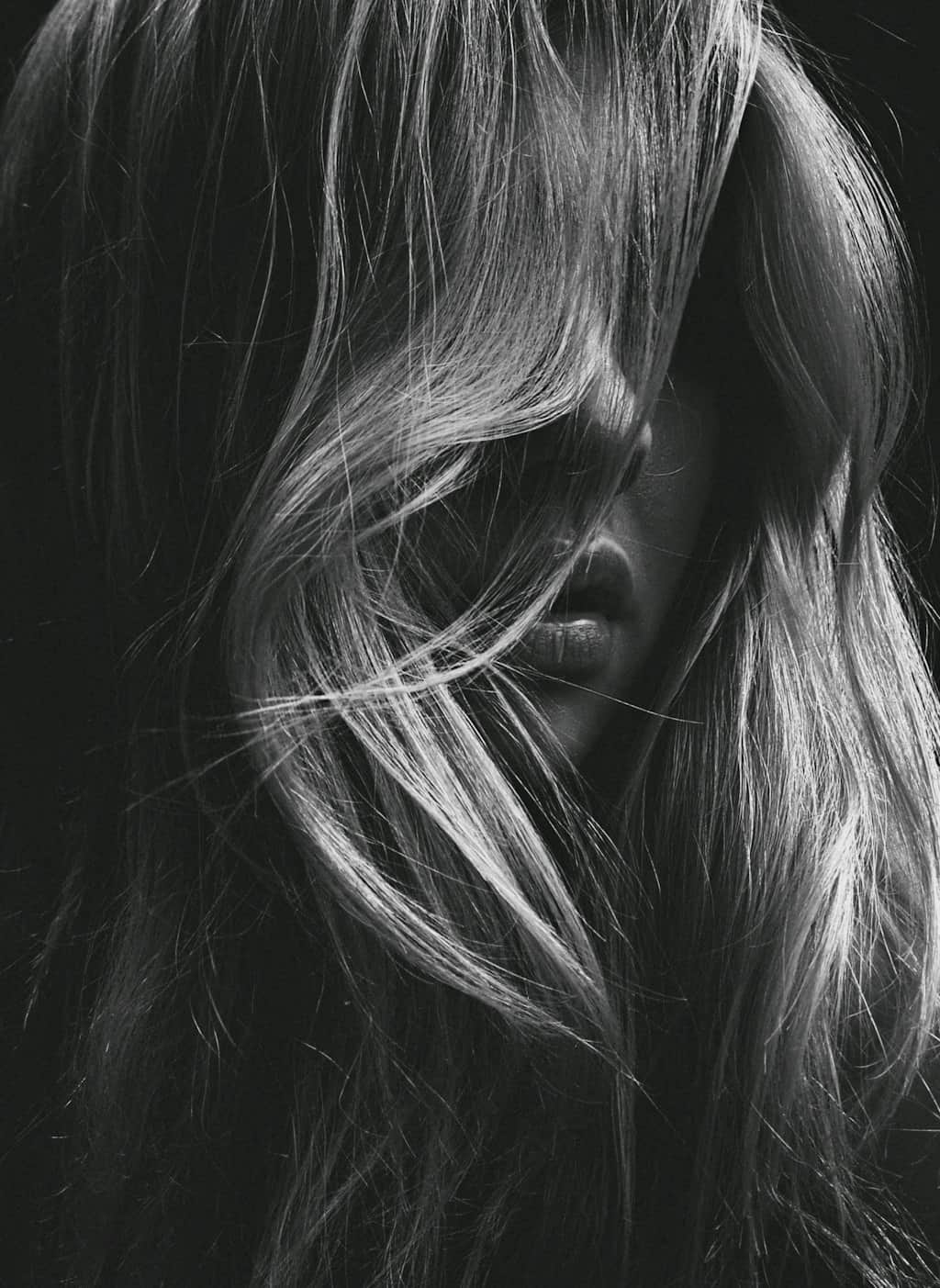
Input: A close, dramatic black and white photo of long wavy hair falling across a woman's face, catching light along individual strands.
- Wave definition68%
- Density75%
- Porosity indicators55%
Curl pattern: 2B to 2C, loose to defined waves
Texture: Medium strand thickness
Density: Medium to thick
The wave pattern shown moves between a looser S-shape near the crown and tighter definition toward the ends, consistent with a 2B to 2C classification. Strand thickness reads medium, not fine and not coarse, and the visible volume suggests medium to thick overall density. The way individual strands catch and hold light points to a healthy outer cuticle layer, though wavy hair in this range often runs on the drier side since natural oils travel more slowly down a wave than straight hair. A lightweight leave-in and a curl cream applied to damp hair, then left alone while drying, will typically define this pattern without weighing it down.
How it works
- 1
Photograph your hair in its natural state
Air-dried, unbrushed, and without any product on it gives the clearest picture of your actual pattern. Wet hair, freshly straightened hair, or hair full of styling product will throw the read off.
- 2
The tool maps your curl pattern
It places your hair on the 1a to 4c classification scale, then separately notes strand thickness, overall density, and visible signs of how the hair absorbs and holds moisture.
- 3
You get a detailed texture profile
The result names your pattern range, texture, and density, flags anything notable about porosity or condition, and explains what those combinations typically mean for styling.
- 4
Apply the care recommendations
Product types, routines, and techniques are suggested based on your specific profile, not a generic one-size answer for your general hair type.
Use cases
Choosing products for your actual pattern
Stop guessing between gels, creams, and mousses aimed at a curl type that isn't yours and shop based on your specific pattern and density instead.
Figuring out why a routine stopped working
Hair texture shifts with age, hormones, and damage, so a fresh read can explain why products that used to work no longer give the same result.
Deciding between a wash-and-go or a styled look
Knowing your density and porosity helps you judge whether your hair can hold a wash-and-go style or needs more structure to look intentional.
Talking to a stylist about a cut or treatment
Bring a texture profile to your next salon visit so the conversation about layers, thinning, or a curl-specific cut starts from shared language.
Tracking hair health over time
Rerun the analysis every few months to see whether porosity or condition notes shift after a change in routine, diet, or season.
Tips for better results
- Let your hair air-dry completely before photographing it, with no product applied.
- Take the photo in natural light so individual strands and shine are visible.
- Separate a few sections with your fingers rather than a brush, which can distort the natural pattern.
- Photograph more than one area, since roots, mid-lengths, and ends can show different textures.
- Retake the analysis after a few months if you've changed your routine or had a chemical treatment.
Limitations
This reads texture and pattern from a single photo, and lighting, hair length, styling products, and even how recently you washed can shift the result. It's a descriptive tool for care guidance, not a diagnosis of a scalp or hair condition, so see a dermatologist or trichologist for concerns like unusual shedding, breakage, or scalp irritation.
Frequently asked questions
Can it tell my curl pattern from a photo of dry, styled hair?
It works best on air-dried hair with no product on it. Styled or wet hair can shift the apparent pattern and give a less accurate read.
Does hair texture actually change over time?
Yes, texture and pattern can shift with age, hormonal changes, heat or chemical damage, and even the seasons, so rechecking periodically is normal.
What does porosity mean for my routine?
Higher porosity hair tends to absorb moisture fast but lose it fast too, while lower porosity hair resists moisture at first. The result explains which pattern your hair leans toward and what that means for product choice.
Can this replace a stylist's opinion?
It's a useful starting point and a way to describe your hair consistently, but a stylist can assess condition and cut needs in person in ways a photo can't fully capture.
Will it work on very short or very curly hair?
Yes, though for tightly coiled patterns, a close, well-lit photo that shows individual curl clusters gives the most reliable classification.
Why did I get a different result the second time?
Humidity, how recently you washed, and lighting all affect how hair looks in a photo, so small variation between attempts is expected.
Plans start at $9 a month. See pricing