What Eye Shape Do I Have?
Find your eye shape from a close-up photo and get makeup tips built around it.
What the Eye Shape Analyzer does
Half the makeup tutorials online assume you already know your eye shape, and guessing wrong means following advice that was never built for your face. This tool looks at a close-up photo of your eyes and works out which shape category you fall into, like almond, round, hooded, or monolid, based on lid visibility, crease type, and spacing. It's for anyone deciding on eyeliner technique, eyeshadow placement, or brow shape and wanting a starting point instead of trial and error. You get a shape breakdown with a score and a set of makeup suggestions built specifically for what your eyes actually look like.
See a sample result
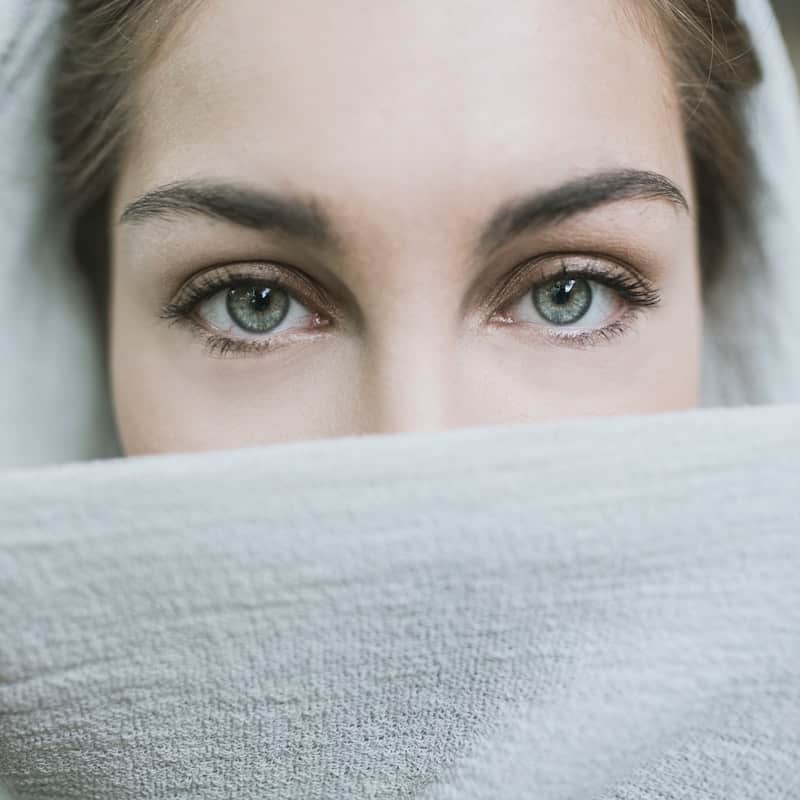
Input: A close-up of a woman looking straight at the camera with gray-green eyes and straight, fairly low brows. A gray knit fabric covers her face from the nose down, and she's wearing dark liner along the lower lash line.
- Almond58%
- Hooded30%
- Round12%
Eye shape: Almond (58%)
The eyes are longer than they are tall, taper at both corners, and the outer corners sit about level with the inner ones. The upper lid touches the top of the iris, with a thin sliver of white showing below it, a common almond pattern.
Other possibilities
Hooded (30%): the brows sit fairly low and a soft fold of skin covers part of the mobile lid, so only a narrow band of lid shows when the eyes are open. A photo with eyes closed would settle how much space is really there.
Round (12%): the eyes are open wide here, which can make them read rounder than they are day to day.
Makeup notes for this shape
Eyeshadow: Place the deeper shade slightly above the natural crease so it still shows with the eyes open, since the lid space is limited.
Eyeliner: The heavy lower liner in this photo closes the eye in a little. A thin upper line that lifts at the outer corner, with softer smudging below, would open it up.
Brows: Straight, full brows suit this shape. Keep the tails from dropping so they don't pull the outer corners down.
How it works
- 1
Upload a clear, close-up photo of your eyes
A front-facing photo taken in good light, with your eyes open naturally and no sunglasses or heavy makeup covering the lid, gives the clearest read.
- 2
The AI reads lid visibility and crease type
It looks at how much of your eyelid shows when your eyes are open, where the crease sits, and how the corners point, the same features a makeup artist checks before choosing a technique.
- 3
Add a note if you want
Use the details box to mention anything specific, like asking about a particular technique or flagging that one eye looks slightly different from the other.
- 4
Get your shape and matching tips
You'll see your most likely eye shape with a score, notes on your specific features, and eyeshadow, eyeliner, and brow suggestions suited to that shape.
Use cases
Choosing eyeshadow placement that actually suits you
Instead of copying a tutorial made for a different eye shape, get placement advice built around your lid space and crease.
Picking an eyeliner technique
A winged liner that looks great on upturned eyes can read differently on hooded or downturned eyes. Know your shape before committing to a technique.
Shopping for glasses or brow shaping with more context
Knowing your eye shape helps you talk to a brow specialist or think through frame shapes that balance your features.
Settling curiosity before a big event
Before a wedding, photoshoot, or event where you're doing your own makeup, get a quick read on your shape so you're not guessing the night before.
Comparing how your eyes read in different photos
Lighting, angle, and expression all affect how an eye shape reads. Try a couple of photos to see how consistent the result is.
Tips for better results
- Use a close, front-facing photo with your eyes open naturally, not squinting or in mid-blink.
- Good, even lighting matters more than a fancy camera. Avoid harsh shadows falling across one eye.
- Remove glasses and heavy eye makeup from the photo if you can, since both can obscure the lid and crease the analysis relies on.
- Try a couple of different photos if the result feels off, since angle and expression can shift how a shape reads.
- If you use the makeup tips, treat them as a starting point rather than a fixed rule, since personal preference matters more than any category.
- Mention in the details box if your two eyes look noticeably different in shape, which is common, so you get advice that accounts for it.
Limitations
This is a visual read based on one photo, not a clinical or anatomical measurement. Lighting, camera angle, eye makeup, and even your expression in that specific shot can shift which category the AI leans toward, and eye shape often falls somewhere between two categories rather than neatly into one. Use the result as a starting point for makeup choices, not a fixed label, and don't be surprised if a different photo nudges the score toward a different shape.
Frequently asked questions
How accurate is the eye shape result?
It's a visual estimate based on lid visibility, crease position, and corner angle in your photo, not a clinical measurement. Clear lighting and a straight-on angle give the most consistent read, and many eyes sit between two categories rather than fitting one perfectly.
Can I have more than one eye shape?
Many people show traits of two categories, like almond with a slight upturn, which is why the result includes a score for the top match along with other possibilities rather than a single forced label.
Do I need professional photography for this to work?
No, a phone photo taken in decent natural or indoor light works fine. What matters most is that your eyes are clearly visible, in focus, and not obscured by glasses, heavy makeup, or shadow.
Will it work if I wear glasses normally?
It can still analyze the eye area, but removing glasses for the photo, or making sure the lens isn't casting glare or reflection over your eye, gives a cleaner result.
Why did my two eyes get slightly different notes?
Most people have some natural asymmetry between their eyes. If you flag this in the details box, the notes can address each eye rather than assuming they're identical.
Are the makeup tips specific to my exact eyes or generic to the category?
They're built around your matched shape category and the specific features noted in your photo, like lid space or corner angle, so they're more targeted than a generic list, but they're still general guidance rather than a personalized consultation.
Can this diagnose an eye condition?
No. This tool is for makeup and styling guidance based on general eye shape categories. It isn't a medical or diagnostic tool, and any concern about your eyes or vision should go to an eye care professional.
Plans start at $9 a month. See pricing