What Bird Is This?
Upload a bird photo and get its likely species along with plumage, habitat, and behavior notes.
What the Bird Identifier does
You spot a bird in the backyard or on a hike, get a decent photo, and then spend twenty minutes flipping through field guide apps trying to match it. This tool skips that step. Send a photo and it reads the beak shape, size, coloration, and markings to suggest the most likely species, along with a runner-up or two when the bird has close lookalikes. You also get notes on habitat, typical range, and a few facts about the species, plus a guess at whether you're looking at a male, female, or juvenile when that's visible in the plumage.
See a sample result
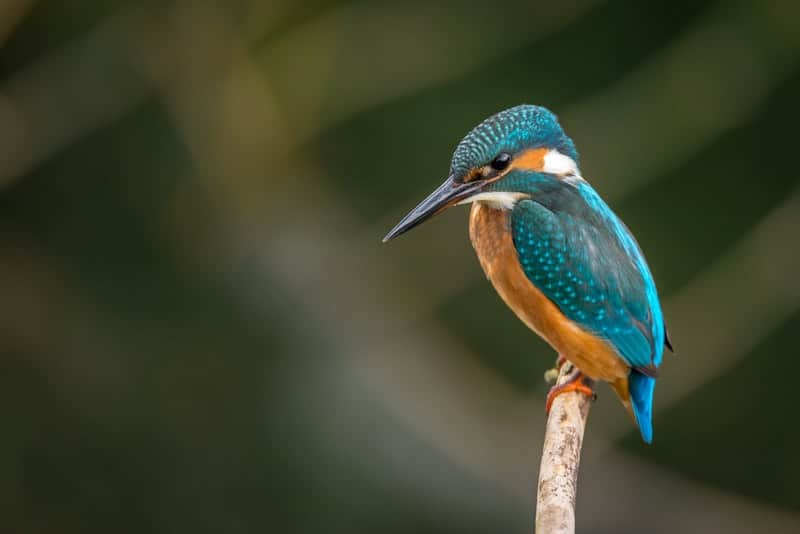
Input: A close-up photo of a small kingfisher perched on a thin bare branch, with a long dark bill, bright blue-green back and wings, and an orange breast, set against a blurred green background.
- Common Kingfisher78%
- Blue-eared Kingfisher15%
- Malachite Kingfisher7%
Most likely: Common Kingfisher (Alcedo atthis)
The long, dagger-like bill, vivid blue-green back, and orange underside are strong markers for this species, and the perching posture on a thin branch over what's likely water is typical hunting behavior.
Distinguishing features
- Iridescent blue-green crown and back, catching light differently depending on angle
- Bright orange breast and cheek patch
- Long, straight black bill suited for spearing small fish
- Small, compact body typical of the kingfisher family
Habitat and range Common kingfishers favor slow-moving rivers, streams, and ponds across Europe, Asia, and North Africa, perching on low branches above water while watching for prey.
Lookalikes The Blue-eared Kingfisher of South and Southeast Asia is very similar but has blue, not orange, ear patches. The white neck patch and orange ear coverts here fit the Common Kingfisher.
The plumage suggests an adult. Sex is told by the lower half of the bill (all dark in males, orange-red in females), which is hard to judge at this angle.
How it works
- 1
Upload a clear photo of the bird
A photo where the bird fills a reasonable portion of the frame works best, ideally showing the head, beak, and wing coloring rather than just a distant silhouette.
- 2
The AI reads distinguishing features
It looks at beak shape and size, plumage color and pattern, body size category, and any visible markings that separate similar species from each other.
- 3
Get species probabilities, not just one guess
Because many birds have close lookalikes, you receive the most likely species along with runner-up possibilities and how confident each match is.
- 4
Read the habitat and behavior notes
The result includes where that species is typically found, its usual range, and a couple of facts, so you learn something beyond just a name.
Use cases
Identifying backyard visitors
Get a name for the bird that keeps showing up at your feeder, along with facts about what it eats and where it nests, without paging through a printed guide.
Logging sightings on a hike or birdwatching trip
Photograph birds as you go and identify them afterward, building a more accurate list than relying on memory once you're back home.
Settling a species debate
When two similar-looking birds are hard to tell apart in the field, a probability breakdown of the closest matches helps you reason through which one you actually saw.
Teaching kids about local wildlife
Turn a photo from the yard into a quick lesson on species, habitat, and behavior, which is a more engaging way to learn than a static reference book.
Tips for better results
- Get as close as your camera allows so the beak and plumage details are visible.
- Photograph the bird in good natural light rather than backlit against a bright sky.
- Include the legs and tail in frame when possible since proportions help narrow down species.
- If the bird has close lookalikes, try a second photo from a different angle for confirmation.
- Note the location and season yourself, since range and time of year both help confirm a match.
Frequently asked questions
How accurate is AI bird identification from a photo?
It's strong for birds with distinct markings and a clear photo, but close lookalike species can be genuinely hard to separate even for experienced birders, so check the runner-up matches too.
Can it identify birds from a blurry or distant photo?
It will still attempt a match, but confidence drops sharply without visible beak shape, coloration, and markings, so a clearer photo gives a more reliable result.
Does it tell me if the bird is male, female, or a juvenile?
When the plumage shows a visible difference between sexes or age groups, it will note that, but many species look similar regardless of sex and can't be told apart from a photo alone.
Will it work for birds outside North America?
Yes, it isn't limited to one region and will attempt identification for species from anywhere, though very rare or localized species may be harder to match confidently.
What if the bird looks like it's in captivity?
The tool will note visible signs like bands, cages, or unusual settings, since that context matters for correctly reading the bird's situation.
Can I use this to identify birds of prey or waterfowl too?
Yes, it covers songbirds, raptors, waterfowl, and most other bird groups, reading the same features of beak, size, and plumage across categories.
Plans start at $9 a month. See pricing