AI Nutrition Analyzer
Upload a plate of food and get a rough breakdown of calories, macros, and where the meal could improve.
What the Nutrition Analyzer does
A plate rarely comes with a nutrition label attached, and guessing what's actually in a bowl of grain salad or a plated dinner is harder than it sounds once dressing, oil, and portion size get involved. Upload a photo here and the AI looks at what's on the plate: the foods present, roughly how much of each, and how they were likely prepared, then returns an estimated breakdown of calories, protein, carbs, fats, and fiber. It's built for a fast gut check on a meal you're about to eat or already ate, not a substitute for weighing food or logging it in a tracking app that reads packaging.
See a sample result
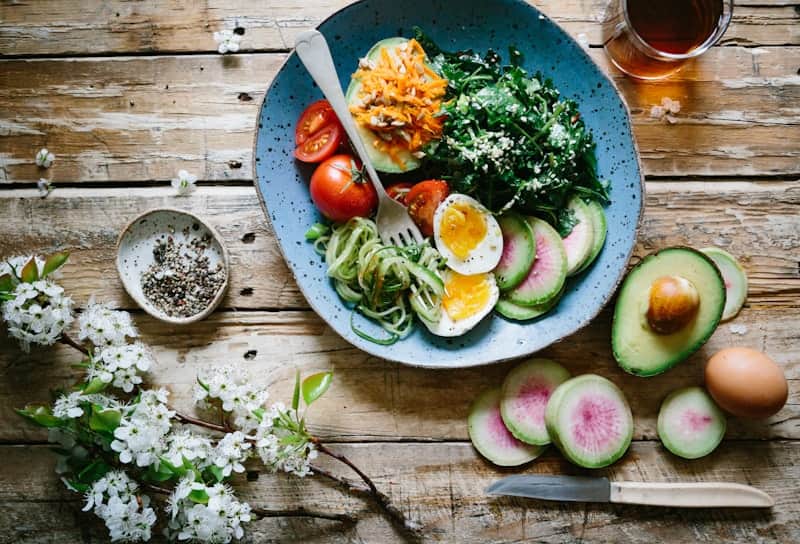
Input: An overhead shot of a blue speckled ceramic bowl on a wooden table: dark leafy greens topped with sesame seeds, a wedge of avocado piled with grated carrot, cherry tomatoes, cucumber noodles, sliced watermelon radish, and a soft-boiled egg cut in half. Outside the bowl sit another avocado half, extra radish slices, a whole egg in its shell, a small dish of cracked pepper, and a glass of tea.
- Protein adequacy40%
- Vegetable variety88%
- Overall balance68%
Foods identified (in the bowl): Dark leafy greens with sesame seeds, about a quarter of an avocado, grated carrot, three or four cherry tomatoes, cucumber noodles, watermelon radish, and one soft-boiled egg. The avocado half, radish slices, and whole egg on the table are not counted, since they aren't in the bowl.
Estimated nutrition (this bowl): Roughly 300 to 380 calories, 10 to 13g protein (about half from the egg), 18 to 24g fat (mostly avocado, egg, and sesame), and 20 to 26g carbohydrates, with 9 to 12g of that as fiber. These are estimates from visible portions, not a measurement.
What's working: Wide vegetable variety and color, fat from whole foods rather than added oil, and plenty of fiber from the greens, radish, and avocado.
Where it could shift: Protein is light for a full meal. Adding the second egg from the table, some chicken, or a scoop of chickpeas would round it out. If there's a dressing that isn't visible, mention it in the details box, since two tablespoons of vinaigrette can add 100 to 150 calories.
Note: This is a visual estimate for a general sense of the meal, not medical or dietary advice. If you're managing a health condition, work with a registered dietitian or your doctor.
How it works
- 1
Photograph the plate from above
Shoot straight down or at a slight angle so every component is visible. Hidden sauce under greens or a bun cut off at the frame's edge makes portions harder to judge.
- 2
Add context in the details box
Mention things the photo can't show, like an oil the food was cooked in, a dressing amount, or whether a portion is meant for one person or shared.
- 3
The AI identifies foods and estimates portions
It names each visible ingredient, estimates rough serving sizes, and factors in preparation method, since fried, dressed, or sauced food carries more calories than the same ingredients plain.
- 4
Get a nutrition breakdown and health notes
You receive estimated calories and macros, notes on what's working nutritionally, a suggestion or two for balance, and a set of scores summarizing the meal's profile.
Use cases
Quick check before you eat
Snap a photo of a restaurant plate or a meal you cooked to get a rough sense of calories and macros before deciding whether to add a side or skip dessert.
Spotting a protein or fiber gap
See at a glance whether a meal leans carb-heavy or is short on protein, then use the notes to decide what to add on your next pass through the kitchen.
Comparing meal-prep options
Photograph a few prepped containers side by side to see which one is more balanced before you decide which to eat on a busy day.
Learning portion sizes by eye
Repeated use over time helps you get a better instinct for what a realistic protein or carb portion looks like on a plate, without weighing everything.
Tips for better results
- Shoot from directly above so ingredients aren't hidden behind each other or cut off at the edge of the frame.
- Mention any dressing, oil, sauce, or butter in the details box, since these are easy to miss visually but add real calories.
- Include something for scale, like a fork or the edge of the plate, so portion size estimates are more grounded.
- If the meal is shared or meant for more than one person, say so, since the estimate defaults to what's shown as a single serving.
- Use the result as a range to plan around, not an exact number to log to the calorie.
Limitations
Calorie and macro numbers from a photo are rough estimates, not a lab analysis or dietary advice. The AI can't see hidden ingredients like oil under a sauce, an unseen portion of butter, or exact cooking measurements, and lighting or an unusual angle can throw off portion size. This tool is for a general sense of a meal, not for managing a diagnosed condition, tracking macros with precision, or replacing guidance from a registered dietitian or physician.
Frequently asked questions
How accurate is the calorie estimate?
It's a visual estimate based on what's identifiable in the photo, useful for a general sense of a meal but not precise enough to replace a food scale or verified nutrition label.
Can it tell me about allergens or ingredients I can't see?
No. It can only describe what's visible in the photo. If an ingredient is hidden, mixed into a sauce, or not shown, mention it in the details box so the estimate can account for it.
Does it work for restaurant meals, not just home cooking?
Yes, it works on any food photo, though restaurant portions and hidden butter or oil in professional cooking can make estimates less precise than for a meal you prepared yourself.
Can I use this to track my daily calories?
You can use it as a rough guide, but for precise daily tracking, a food scale and a logging app that reads packaging labels will be more reliable than photo estimates alone.
Will it give me diet or weight loss advice?
It notes general balance, like whether a meal is light on protein or heavy on refined carbs, but it doesn't prescribe a diet plan. For personal nutrition guidance, talk to a registered dietitian.
What do the scores mean?
The scores summarize traits like protein adequacy, vegetable variety, and overall balance on a 0 to 100 scale, based on what's visible in the photo, as a quick way to compare meals at a glance.
Can I ask about a specific ingredient in the details box?
Yes, add a question like whether a sauce looks high in sugar or what a good protein add-on would be, and the analysis will address it directly.
Plans start at $9 a month. See pricing