AI Sommelier: Wine Pairing From a Photo
Upload a photo of your meal and get wine pairing suggestions with the reasoning behind each one.
What the Wine Pairing Suggestion does
You've got dinner on the table and a wine rack you don't fully understand, or you're standing at a shop trying to remember what goes with what you're cooking tonight. This tool looks at a photo of your food and works through it the way a sommelier would: identifying the dish, noting the sauce and seasoning, weighing how rich or light it is, then suggesting a few wines that would work, red, white, or something sparkling, with a reason for each. It's aimed at people planning a meal or standing in a wine aisle, not professional buyers. For adults of legal drinking age only, and it's a suggestion to work from, not a rule to follow exactly.
See a sample result
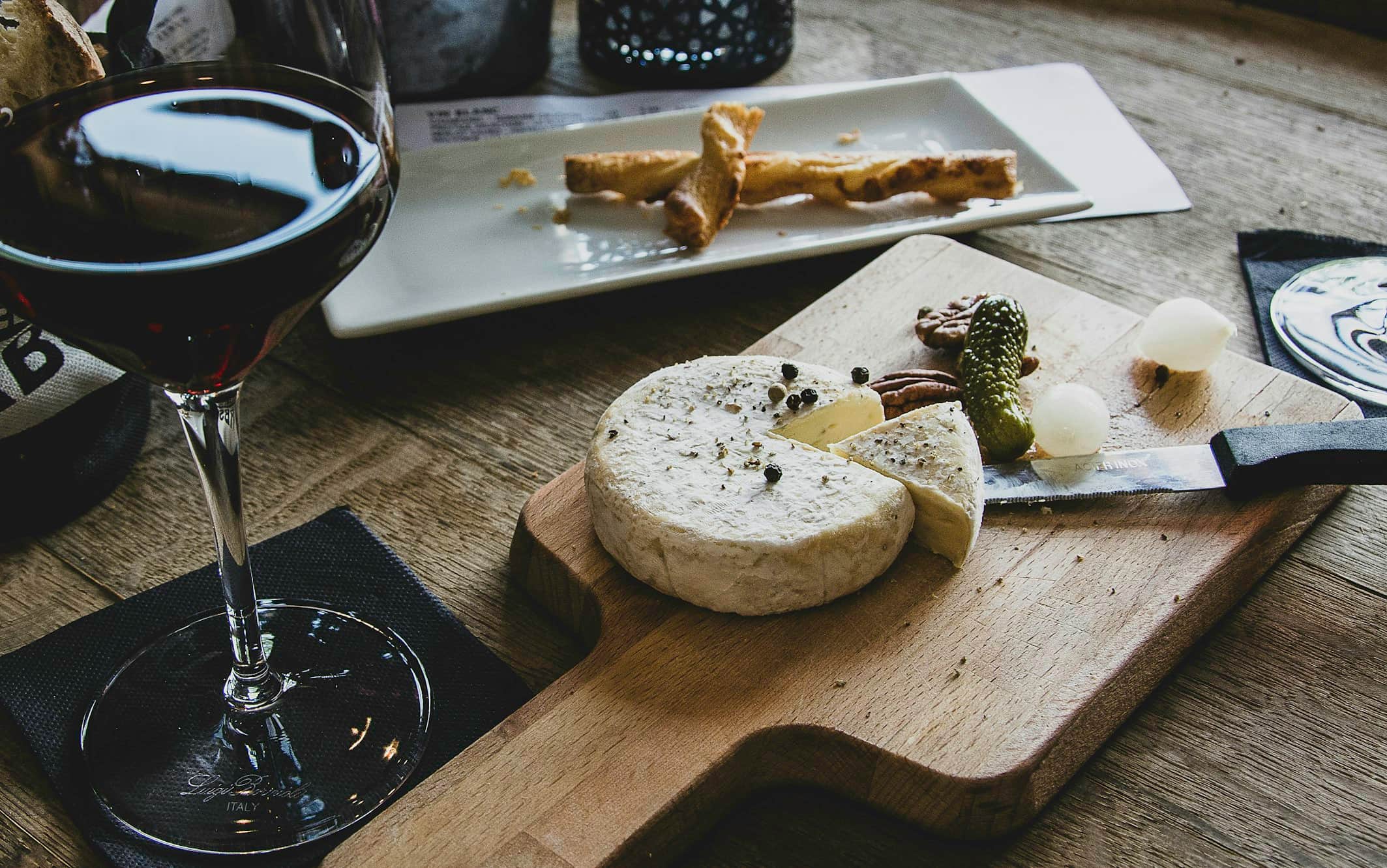
Input: A photo of a wooden cheese board with a small wheel of soft, bloomy-rind cheese with a wedge cut out and a few whole black peppercorns on top, alongside pecans, a cornichon, pickled pearl onions, and twisted cheese straws on a plate behind, with a glass of red wine already poured.
- Pairing confidence78%
- Flavor intensity match72%
What's on the board
A soft, bloomy-rind cheese; the white rind and creamy interior point toward something in the brie or camembert family, paired with pecans, a cornichon, and pickled pearl onions for acidity and crunch. The cheese straws add a light, salty, buttery note.
Suggested pairings
The red already in the glass looks like a light-to-medium bodied option, and a soft, earthy red like Pinot Noir or a light Beaujolais would suit this board well: enough acidity to cut through the creamy cheese without overpowering it.
If you'd rather go white, a dry, crisp option like a Chenin Blanc or unoaked Chardonnay plays off the bloomy rind's richness and matches the pickled onions and cornichon's tang.
A dry sparkling wine, like a Champagne or Cava, is the safest all-rounder here, since the bubbles and acidity cut through soft cheese, pepper, and pickled elements all at once without clashing with any single item.
Why it works
The peppercorns add a mild spiced note, and a very tannic red would fight the creamy cheese, so lighter-bodied reds or whites with good acidity are the better match than something bold and oaky. The pickled elements on the board mean acidity in the glass matters more here than tannin.
How it works
- 1
Upload a photo of the food
A clear shot of the plate, ideally showing the sauce and any visible seasoning, gives the AI the most to work with. Wide shots of a full spread also work if you're pairing for a whole meal.
- 2
The AI reads the dish and its intensity
It identifies the food, notes preparation method and sauce, and weighs how rich, spicy, or light the dish looks before matching it to wine styles that typically work with that profile.
- 3
Add context in the details box
Mention what you have on hand, a preference for red over white, or the occasion, and the suggestions adjust to fit what's realistic for you to actually pour.
- 4
Get pairing suggestions with reasons
You get a few wine options across styles, each with an explanation of why it works, plus notes on non-alcoholic alternatives if you'd rather skip wine altogether.
Use cases
Choosing a bottle for a dinner you're already cooking
Snap the dish once it's plated, or even mid-cook, and get a pairing suggestion before you head to the store or dig through the wine rack.
Deciding what to bring to someone else's dinner
If you know the menu or have a photo from the host, get a suggestion that fits the meal instead of defaulting to the same bottle every time.
Building a wine and cheese board
Photograph the board before guests arrive and get a couple of pairing directions, useful when a board mixes several cheeses or accompaniments with different flavor profiles.
Learning pairing logic instead of memorizing rules
Read the reasoning behind each suggestion, like why acidity matters more than tannin with pickled foods, to start building your own instincts for future meals.
Tips for better results
- Photograph the dish with the sauce visible; a sauce or dressing often matters more to the pairing than the base protein.
- Mention spice level in the details box if the photo doesn't make it obvious, since heat changes the pairing a lot.
- Say what's already in your fridge or wine rack if you want a suggestion you can act on immediately.
- For a multi-course meal, run each course separately rather than one photo of everything at once.
- Ask for a non-alcoholic pairing in the details box if you're not drinking; the suggestions will adjust accordingly.
Limitations
This tool is intended for adults of legal drinking age. Suggestions are based on general pairing principles, acidity, tannin, sweetness, and intensity, applied to what's visible in the photo, not a tasting of the actual dish or wine. It can misjudge a sauce or spice level the camera doesn't capture well, and personal taste varies more than any pairing rule can account for. Treat every suggestion as a starting point, and drink responsibly.
Frequently asked questions
Can it name an exact bottle to buy?
It focuses on wine styles and grape varieties, like a dry Riesling or a light Pinot Noir, and may name an example region or producer. Availability varies by store and region, so use the style as your guide when shopping.
Does it work for non-food photos, like just a wine label?
No, it's built to read a food photo and suggest wines that pair with it. Upload the dish, not the bottle, for the pairing to work.
What if I don't drink wine?
Mention that in the details box and it will suggest non-alcoholic alternatives that mirror the qualities, sparkling water with citrus for acidity, for example, that a wine pairing would otherwise provide.
Can it handle a whole meal with multiple dishes?
It works best on one dish or a single board at a time. For a multi-course meal, upload each course separately so the pairing logic isn't averaged across very different flavors.
Is this the same as what a professional sommelier would say?
It follows the same general pairing principles a sommelier would use, acidity, weight, sweetness, but it hasn't tasted the dish or the wine, so treat it as an informed suggestion rather than an expert tasting note.
Will it suggest wine for spicy food?
Yes, and it usually leans toward off-dry whites or low-tannin reds for spicy dishes, since heat can make bold, tannic reds taste harsher. Mention the spice level in the details box if it's not obvious from the photo.
Plans start at $9 a month. See pricing