Body Proportions Test
Upload a full-body photo and get your key ratios, explained in plain terms with styling notes.
What the Body Proportions Test does
Clothing fit guides talk about proportions constantly, but most people have never actually measured their own. This test looks at a full-body photo and estimates your shoulder-to-hip ratio, waist-to-hip ratio, and leg-to-torso balance, then explains what those numbers mean for how clothing sits on you. Instead of a single body type label, you get a breakdown of your actual proportions and specific notes on cuts, rises, and silhouettes that tend to work well with them. It's meant for anyone trying to shop smarter, understand why certain outfits work better than others, or just get a clearer, encouraging picture of their own shape.
See a sample result
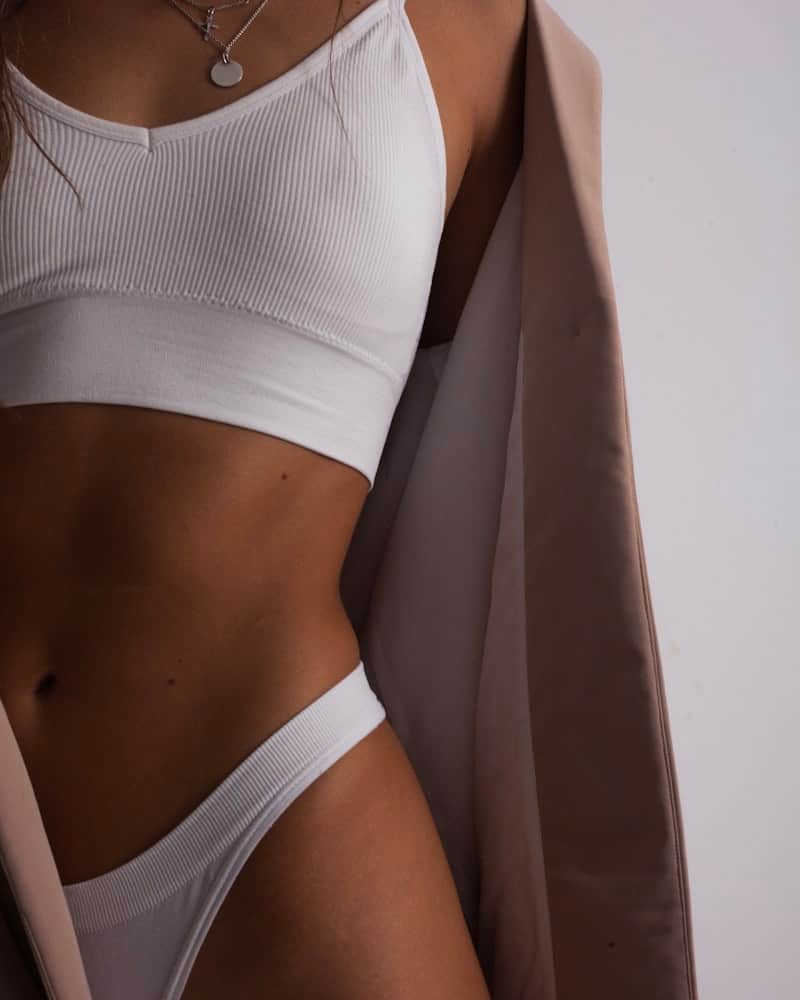
Input: A tightly cropped photo from the collarbone to the upper thighs of a woman in a white ribbed crop top and matching briefs, with an open tan coat hanging off her shoulders. Her head and legs are out of frame.
- Shoulder-to-hip balance62%
- Waist definition78%
- Estimate confidence (cropped photo)40%
Shoulder-to-hip ratio: Close to balanced, with shoulders reading slightly narrower than hips in this frame. This suggests tops with structure at the shoulder, like a blazer with a slight shoulder pad or a boat neckline, can help visually even things out if that's a look you want.
Waist-to-hip ratio: A clearly defined waist relative to the hip line stands out here, which is the kind of proportion that responds well to fitted or wrap-style tops and high-rise bottoms that sit right at the narrowest point.
Leg-to-torso ratio: Not measurable here. The legs are cut off at the upper thigh, so there's no way to compare leg length with torso length. Upload a full-length photo if you want this part of the read.
Styling notes: Cropped or fitted tops that stop near the natural waist make the most of the defined waistline. Structured jackets worn open, as in this photo, add shoulder width without changing the overall silhouette, a combination that's already working well here.
A note on this analysis: These are estimates from a single photo and angle, not exact body measurements, and every proportion type looks good in a wide range of clothing.
How it works
- 1
Upload a full-body photo
Stand straight, facing the camera, in fitted clothing so your outline is visible. A plain background and even lighting make the estimates more reliable.
- 2
The AI estimates key ratios
It compares shoulder width to hip width, waist width to hip width, and the visual split between leg length and torso length, all based on proportions visible in the frame.
- 3
It reads overall balance
Rather than forcing you into one fixed category, the analysis notes where your proportions lean and by how much, since most people sit somewhere between typical labels.
- 4
You get ratios plus styling notes
The result explains what your numbers suggest about fit and gives practical clothing cuts and silhouettes to try, framed around what tends to balance your specific proportions.
Use cases
Shopping with more confidence
Knowing your actual ratios makes it easier to pick a rise, cut, or neckline online instead of guessing and returning items that don't fit the way you hoped.
Understanding why certain outfits work
If a specific dress or jacket always gets compliments, seeing your proportions explained can clarify why that cut works, so you can look for similar shapes elsewhere.
Building a capsule wardrobe
Choosing a smaller set of pieces that consistently fit well starts with knowing which cuts and rises actually flatter your specific shoulder, waist, and hip balance.
Getting a second opinion before a big purchase
Before committing to a formal outfit or a wedding dress, a proportions read can help narrow down silhouettes worth trying on first.
Tips for better results
- Wear fitted, plain clothing for the photo so your natural outline is visible rather than hidden under loose fabric.
- Stand straight with arms slightly away from your body, facing the camera directly rather than at an angle.
- Use a full-length photo when possible; a partial or cropped photo limits how much of the analysis can be estimated.
- Photograph in even, front-facing light and avoid harsh side lighting, which can distort how proportions read.
- Treat the ratios as a starting point for trying new cuts, not a rule for what you're allowed to wear.
Limitations
This is a photo-based estimate, not a physical measurement, so results shift with your pose, the camera angle, the lens used, and how form-fitting your clothing is in the photo. It cannot replace an in-person fitting or a tailor's tape measure, and it isn't a judgment of appearance or worth: every proportion works with the right styling choices. The goal is a useful, encouraging starting point for shopping and dressing, not a fixed category to identify with.
Frequently asked questions
How accurate are the ratios from a single photo?
They're estimates based on what's visible in the frame, not exact body measurements. Pose, camera angle, and clothing fit all affect the result, so treat the numbers as a general guide rather than precise data.
Do I need to wear anything specific for the photo?
Fitted clothing that shows your natural outline gives the most reliable read. Very loose or baggy clothing makes it harder to estimate shoulder, waist, and hip lines accurately.
Does this tell me my body shape category?
It focuses on specific ratios rather than forcing you into one label, since most people don't fit neatly into a single body shape category anyway.
Can proportions change over time?
Yes, and a new photo will reflect that. Weight changes, muscle gain, posture, and even the specific outfit in the photo can all shift how the ratios read.
Is this test just about how I look?
It's meant as a practical styling tool, not a judgment. Every set of proportions can look great; the aim is helping you find cuts that work with your shape rather than against it.
Can I use this for men's clothing too?
Yes, the same shoulder, waist, and hip ratios apply, and the styling notes adjust to suggest cuts and fits relevant to whatever wardrobe you're working with.
Plans start at $9 a month. See pricing