What Is This Worth?
Photograph an item and get a rough value range based on what's visible in the photo.
What the Pricing Estimator does
You found something in a closet, a thrift store, or an estate sale box and want a ballpark figure before you decide whether to sell it, keep it, or dig further. This tool looks at a photo of an item and gives you a rough price range built from what's actually visible: brand marks, materials, condition, wear, and anything that suggests age or rarity. It's meant for a first-pass read, not a final number. Collectibles, furniture, jewelry, electronics, and everyday secondhand goods all work, as long as the details that matter are visible in the shot.
See a sample result
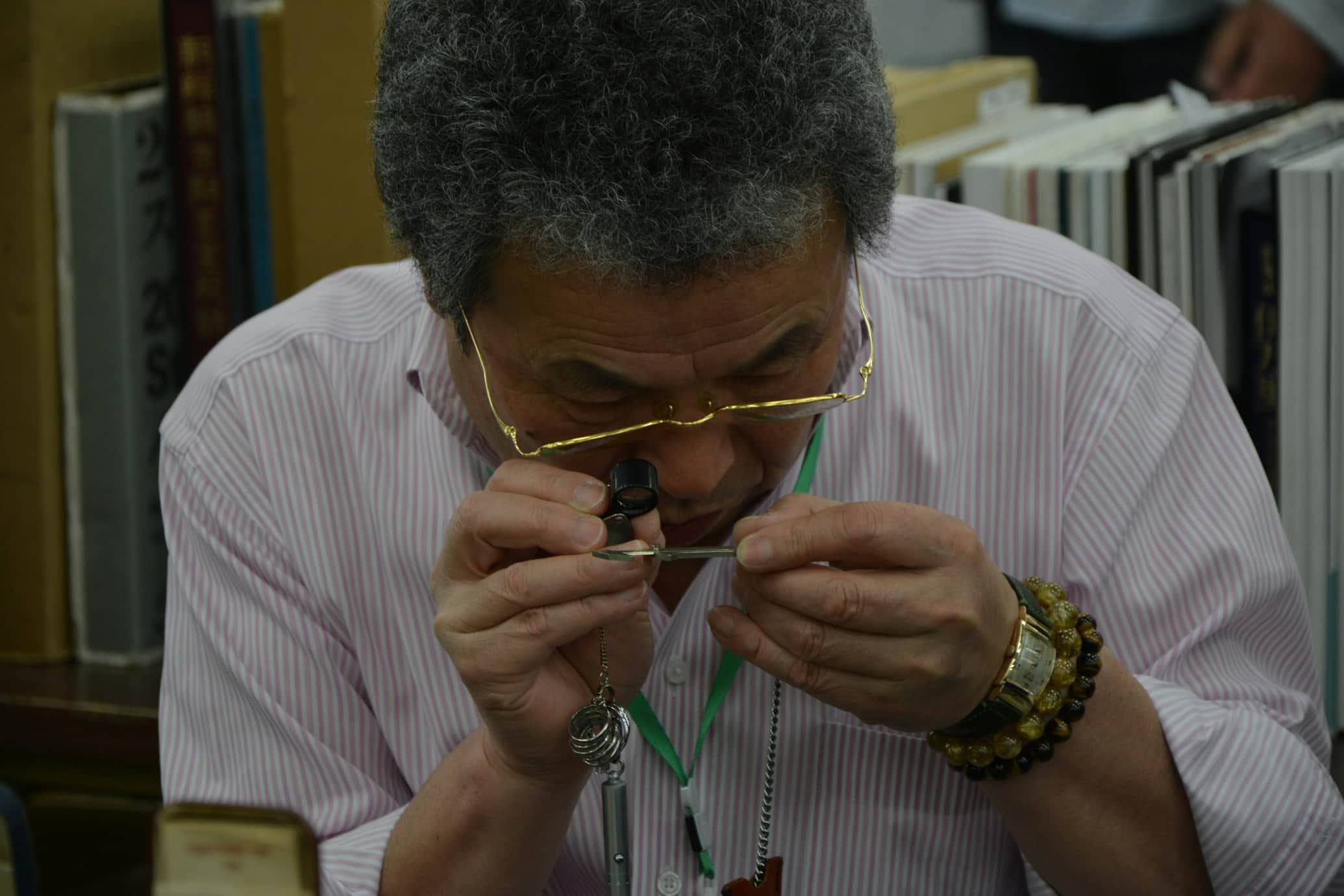
Input: A photo of a man in glasses holding a jeweler's loupe to his eye to examine a small item held between his fingertips, with shelves of reference books behind him.
- Identification confidence30%
- Condition visibility20%
- Current demand60%
Item: Small piece of jewelry under a loupe, likely a ring or a loose stone in a setting
The item is small and mostly hidden by the examiner's fingers, so this estimate is built on context rather than a clear view. A loupe inspection like this usually means someone is checking a stone, a hallmark, or a maker's stamp.
Estimated range (if this is a gold ring with a small stone):
- Low: $20 to $80 (gold-plated or low-karat band, synthetic stone)
- Mid: $250 to $600 (10k to 14k gold, small natural stone)
- High: $1,500+ (18k gold, a natural stone of real size and clarity, or a known maker)
What would narrow it: a close photo of the inside of the band (karat stamp such as 14K or 585), the stone face-up in good light, and any maker's mark.
This is a rough estimate, not a professional appraisal. For anything you plan to insure or sell for a meaningful sum, have it looked at in person by a jeweler or certified appraiser.
How it works
- 1
Photograph the item clearly
Even lighting and a close, in-focus shot of the whole piece matter, and a second photo of any maker's mark, label, hallmark, or serial number helps a lot if one exists.
- 2
The tool identifies what it can see
It looks for the item type, brand or maker, materials, and any visible wear, damage, or repairs, along with details that might point to age or rarity.
- 3
You get a price range, not a single figure
The result gives a low, mid, and high estimate based on comparable items and current demand, along with notes on what's pushing the value up or down.
- 4
Use it to decide your next step
A rough range helps you judge whether it's worth listing, insuring, or getting looked at by someone who specializes in that category.
Use cases
Sorting through an estate or storage cleanout
Get a fast first pass on a box of items to figure out what's worth researching further and what's fine to donate or toss.
Deciding whether to list something for resale
Check whether an item is likely worth the time of photographing, describing, and shipping before you list it on a marketplace.
Checking a secondhand or thrift find
Get a rough sense of whether something you're considering buying secondhand is priced fairly for its condition and age.
Deciding if something needs a real appraisal
Use the estimate as a filter. If it comes back high or flags rarity, that's your signal to get an actual in-person appraisal before selling or insuring it.
Tips for better results
- Photograph any maker's mark, hallmark, label, or serial number separately and up close.
- Shoot the whole item in good, even light so materials and finish are clearly visible.
- Include a photo of any damage, repairs, or missing parts rather than hiding them.
- Add the item's approximate age, where you got it, and any markings you can read in the details box before you run it.
- Treat the range as a starting point and search recent sold listings for similar items to sanity-check it.
Limitations
This gives a rough estimate based only on what's visible in your photo, and it is not a professional appraisal. Actual value depends on details a photo often can't show, like verified authenticity, a working mechanism, provenance, or condition issues hidden from the camera angle. Market prices also shift over time and by region. For insurance, estate, tax, or high-value sale purposes, get an in-person appraisal from a qualified specialist in that item's category.
Frequently asked questions
Is this a substitute for a professional appraisal?
No. It gives a rough range from a photo, while a professional appraisal involves physical inspection, authentication, and category-specific expertise that a photo can't replace.
Why did I get such a wide price range?
A wide range usually means a key detail, like a maker's mark or the item's exact condition, wasn't clearly visible. A closer photo of those details narrows things.
Can it identify fakes or reproductions?
It can flag inconsistencies it notices, but authenticating an item reliably usually requires in-person examination by a specialist, especially for anything valuable.
What kinds of items work best?
Anything with visible brand marks, distinct materials, or clear condition details tends to get a more useful estimate than plain, unmarked items.
Should I trust this before selling something valuable?
Treat it as a first-pass filter only. For anything you suspect is genuinely valuable, get a specialist appraisal before you sell, insure, or donate it.
Does condition really change the estimate that much?
Yes, condition is one of the biggest swing factors in resale value, which is why the result calls out wear, damage, and repairs specifically.
Plans start at $9 a month. See pricing