Hair Type Analyzer
Upload a photo of your hair and get a read on curl pattern, texture, and care suggestions.
What the Hair Type Analyzer does
Half the confusion around hair care comes from not knowing which type you're actually working with; the products and routines that fix frizz on wavy hair can do nothing, or make things worse, on coily hair. This analyzer looks at a photo of your hair and estimates curl pattern using the standard straight-to-coily scale, texture (fine, medium, or coarse), and density, then suggests products, techniques, and styles suited to what it sees. It's built for anyone switching up a routine, shopping for new products, or just curious what category their hair actually falls into.
See a sample result
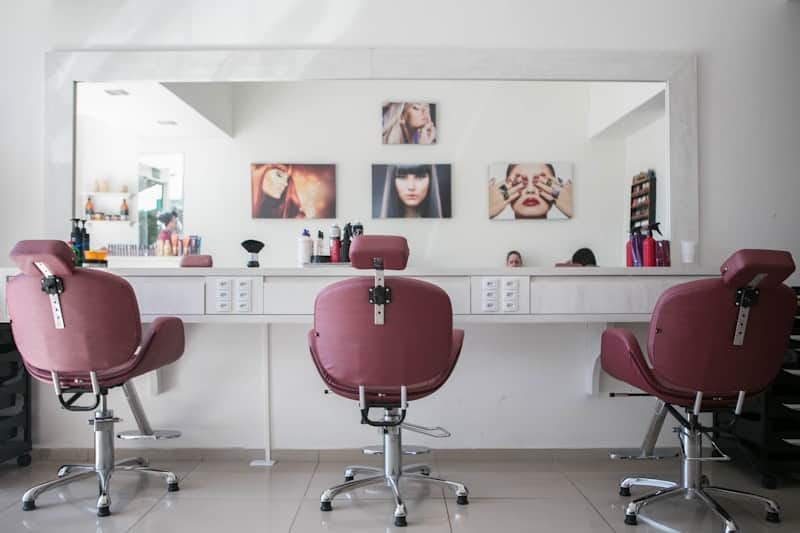
Input: A well-lit, close-up phone photo of natural, unstyled hair reaching past the shoulders, with the individual strands visible from root to tip and no products or styling tools in frame. The image at the top of this page shows a salon interior and is an illustration, not the example photo.
- curl definition64%
- wave consistency58%
- visible frizz22%
Curl pattern: Reads as type 2B to 2C (wavy), with defined S-shaped waves forming from about mid-length to the ends, while the roots sit flatter and straighter.
Texture: Medium texture; strands appear neither especially fine nor coarse, holding a visible wave shape without looking wiry.
Density: Medium to high density, with a good amount of visible volume through the mid-lengths.
Care suggestions: A lightweight, sulfate-free shampoo paired with a curl-defining cream applied to damp hair tends to hold a wave pattern like this without weighing it down. Scrunching rather than brushing while drying helps keep the wave clumped instead of frizzing into a diffuse halo.
Styling ideas: Air-drying with a light curl cream, or a loose braid overnight for a softer wave the next day, both suit this texture well.
This is a visual estimate from a single photo; your hair's actual behavior when wet, washed, or in different humidity can vary from what one photo shows.
How it works
- 1
Upload a clear photo of your hair
Natural, unstyled hair in good light gives the most accurate read. Second-day texture or air-dried hair shows the real curl pattern better than a fresh blowout.
- 2
Add notes in the details box if helpful
Mention anything the photo can't show, like how your hair behaves when wet, past chemical treatments, or a specific concern like frizz or breakage.
- 3
The model reads curl pattern, texture, and density
It estimates where your hair sits on the straight-to-coily scale, whether strands are fine, medium, or coarse, and how densely packed they appear.
- 4
Get a hair type read plus care suggestions
You get a written breakdown, product and technique suggestions matched to that type, and style ideas that tend to work well with it.
Use cases
Building a new hair care routine
Get a starting point for which shampoo, conditioner, and styling product category (like curl cream versus a smoothing serum) tends to suit your hair type.
Shopping for products with confusing labels
Hair product marketing often assumes you already know your type; use the read as a reference before picking between competing product lines.
Deciding on a new haircut or style
Knowing your curl pattern and density helps when discussing a cut with a stylist or trying a style you've seen work on similar hair types.
Tracking changes after a treatment
Compare a photo before and after a chemical treatment, protein treatment, or a change in routine to see how texture or curl definition shifted.
Tips for better results
- Photograph hair when it's dry and unstyled rather than freshly straightened or wet, since curl pattern is clearest in its natural resting state.
- Use natural daylight if possible; indoor lighting can shift how color and shine read, though it has less effect on curl pattern itself.
- Take the photo close enough that individual strands are visible, not just the overall shape of a hairstyle.
- Mention product buildup, recent coloring, or heat damage in the details box, since these can affect how texture looks in a single photo.
- If you have mixed patterns in different sections, note that in the details box so the suggestions account for both.
Limitations
This is a visual estimate from a single photo, not a lab test or a diagnosis of hair or scalp health. Lighting, hair products, humidity, and how recently hair was washed or styled can all shift how curl pattern and texture appear. If you have ongoing hair loss, scalp irritation, or other health concerns, see a dermatologist or trichologist rather than relying on this tool.
Frequently asked questions
How accurate is the curl pattern it gives me?
It's a visual estimate based on the standard straight-to-coily classification system, and it can shift depending on how your hair is styled, wet or dry, or lit in the photo you upload.
Can it tell me my hair's porosity or health?
Not reliably from a photo alone. Porosity is usually tested by how hair behaves in water, which a static image can't show; the tool focuses on visible curl pattern, texture, and density instead.
What's the best kind of photo to upload?
A clear, well-lit, close-up photo of dry, unstyled hair with individual strands visible gives the most reliable read.
Will it work if I have mixed curl patterns in different areas?
It will describe what's most visible in the photo, so mention mixed patterns in the details box if you want that noted in the suggestions.
Does it recommend specific products?
It mostly suggests product types and techniques, like a curl cream or a sulfate-free shampoo, and it may name an example product now and then. Treat any named product as a starting point to research, since it isn't reading ingredient lists or testing anything.
Does chemically treated or colored hair affect the result?
Yes. Coloring, relaxing, or heat styling can change how curl pattern and texture look in a photo compared to your hair's natural state, so mention any treatments in the details box for context.
Plans start at $9 a month. See pricing