Nature and wildlife identifier tools
This category is built around identification, taking a photo of something you found outdoors and telling you what it is. Living things covered here include the animal identifier, bird identifier, dog identifier, cat identifier, flower identifier, plant identifier, and mushroom type identifier, useful for a walk in the woods, a garden project, or simply curiosity about something you photographed. The plant disease detector and crop identifier serve a more practical audience, gardeners and small growers checking plant health or identifying what is growing in a field. The soil analyzer looks at a photo of soil and describes its likely composition and texture, useful background information before planting. A separate group looks skyward: the cloud type identifier reads weather patterns from cloud photos, while the constellation identifier, star identifier, and telescope image analyzer help identify what you are seeing in a night sky or telescope photo. Every tool here works from visible features in a single photo, so results depend heavily on image clarity, angle, and lighting, and closely related species or lookalike objects can sometimes be confused for one another. For anything safety-related, especially the mushroom type identifier, treat the result as a starting point for further research rather than a guarantee, and never eat a wild mushroom based on an identification from a photo alone.
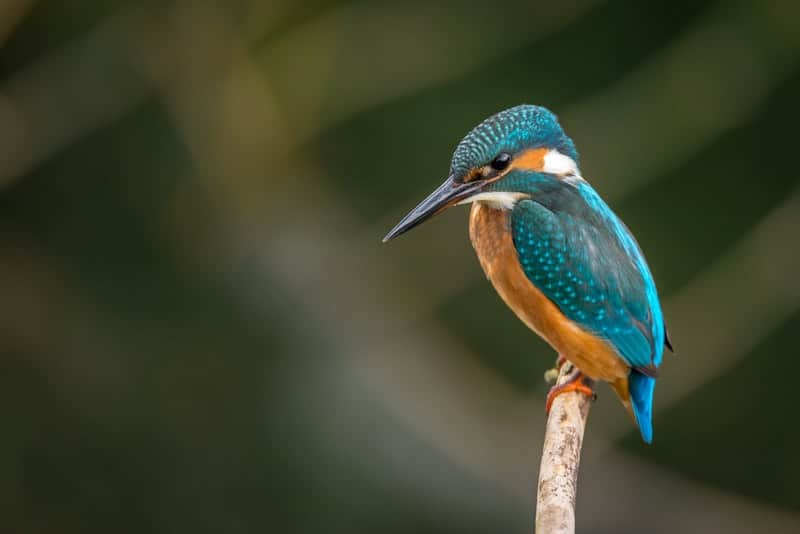
What Bird Is This?
Upload a bird photo and get its likely species along with plumage, habitat, and behavior notes.

What Breed Is My Cat
Upload a photo of your cat and get an AI estimate of its likely breed, coat, and age range.
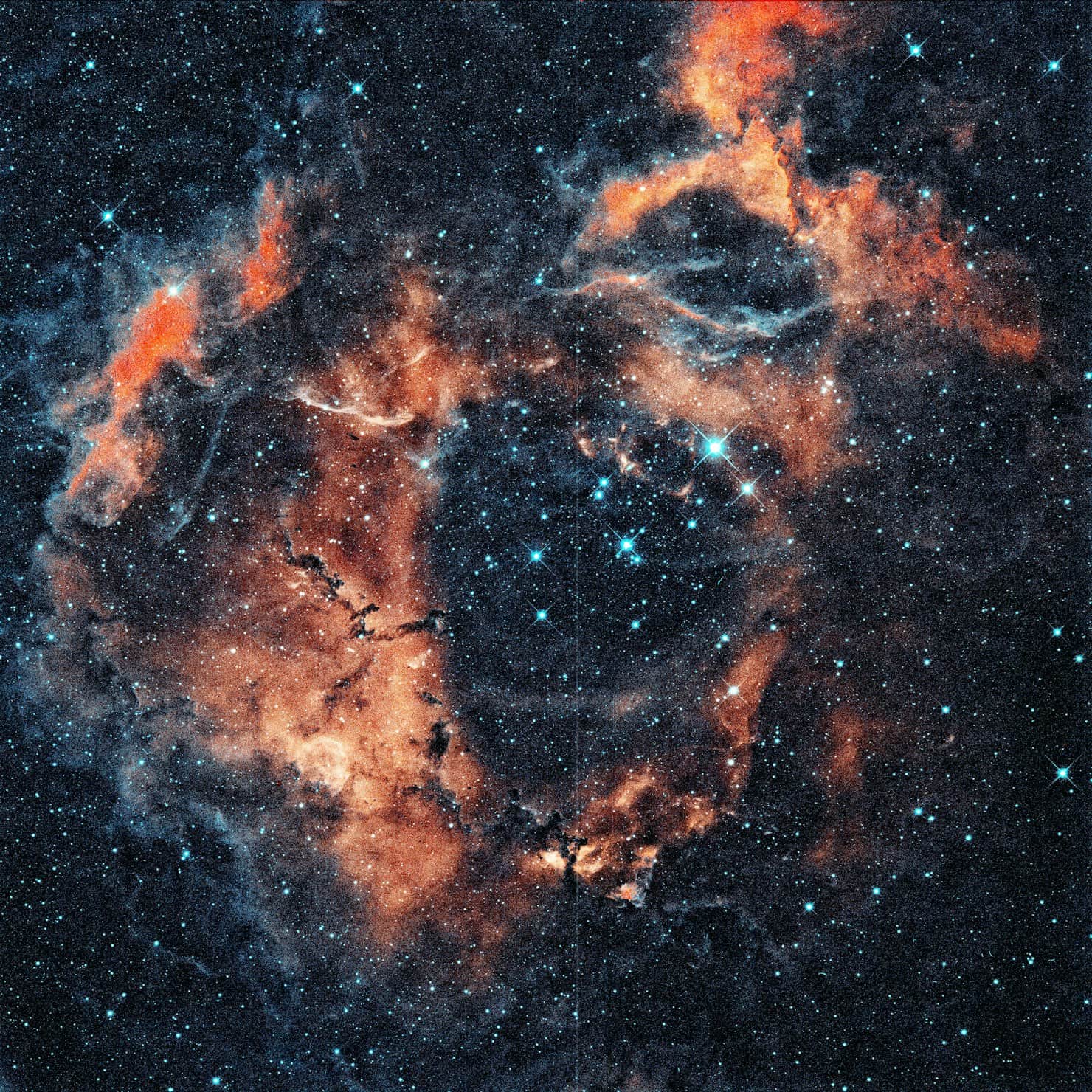
Constellation Identifier
Point your camera at the night sky, then find out what you're actually looking at.

What Breed Is My Dog
Upload a photo of your dog and get a read on its likely breed or mix, based on what's visible.

Flower Identifier
Upload a photo of a flower and get its species, growing needs, and lookalikes to watch for.
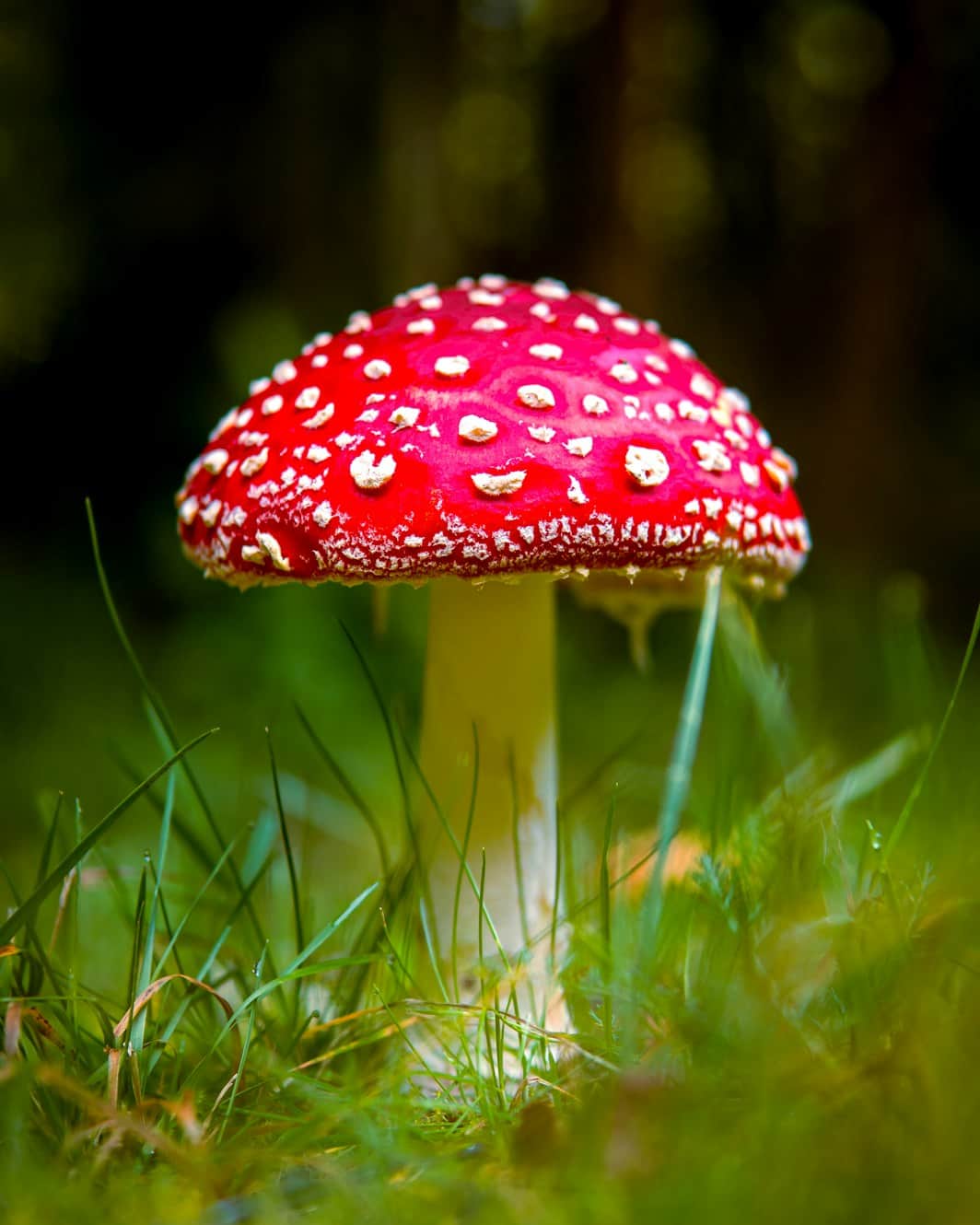
Mushroom Identifier
Upload a photo of a mushroom to get a likely species along with the features that point to it.
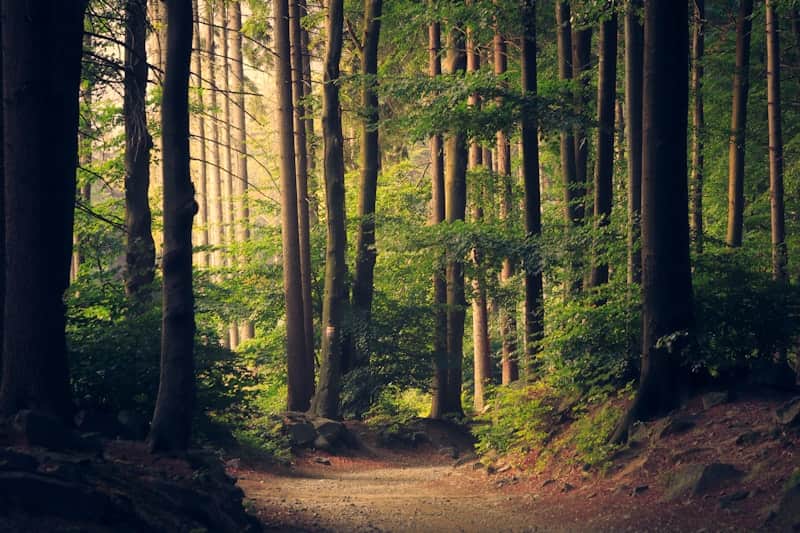
Plant Identifier
Upload a photo of a plant, tree, or natural scene and get a likely species with identifying details.

Star Identifier
Upload your night sky photo and find out exactly what you captured.
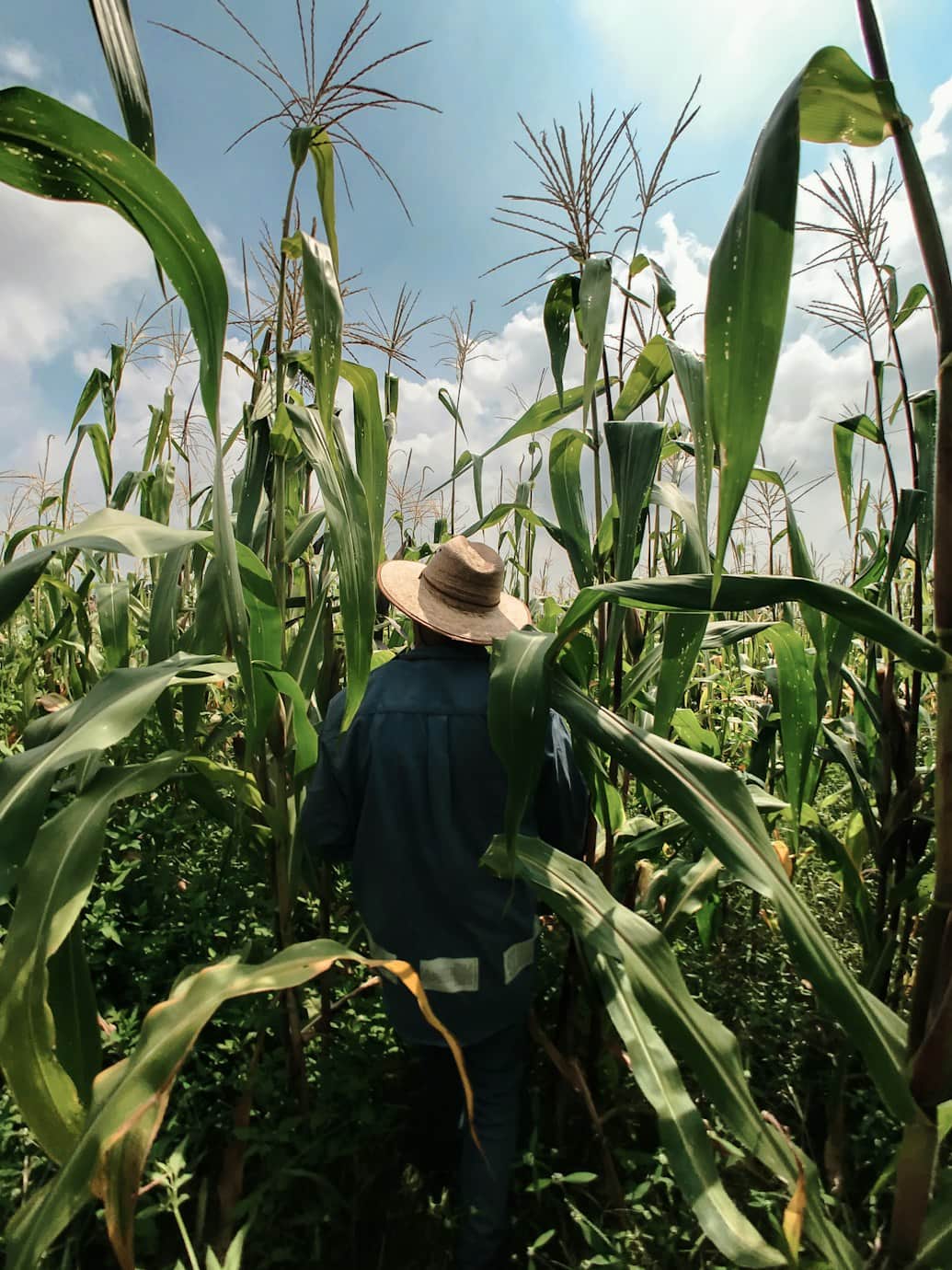
Crop Identifier
Walk into a field, snap a photo, and find out what's actually growing there.
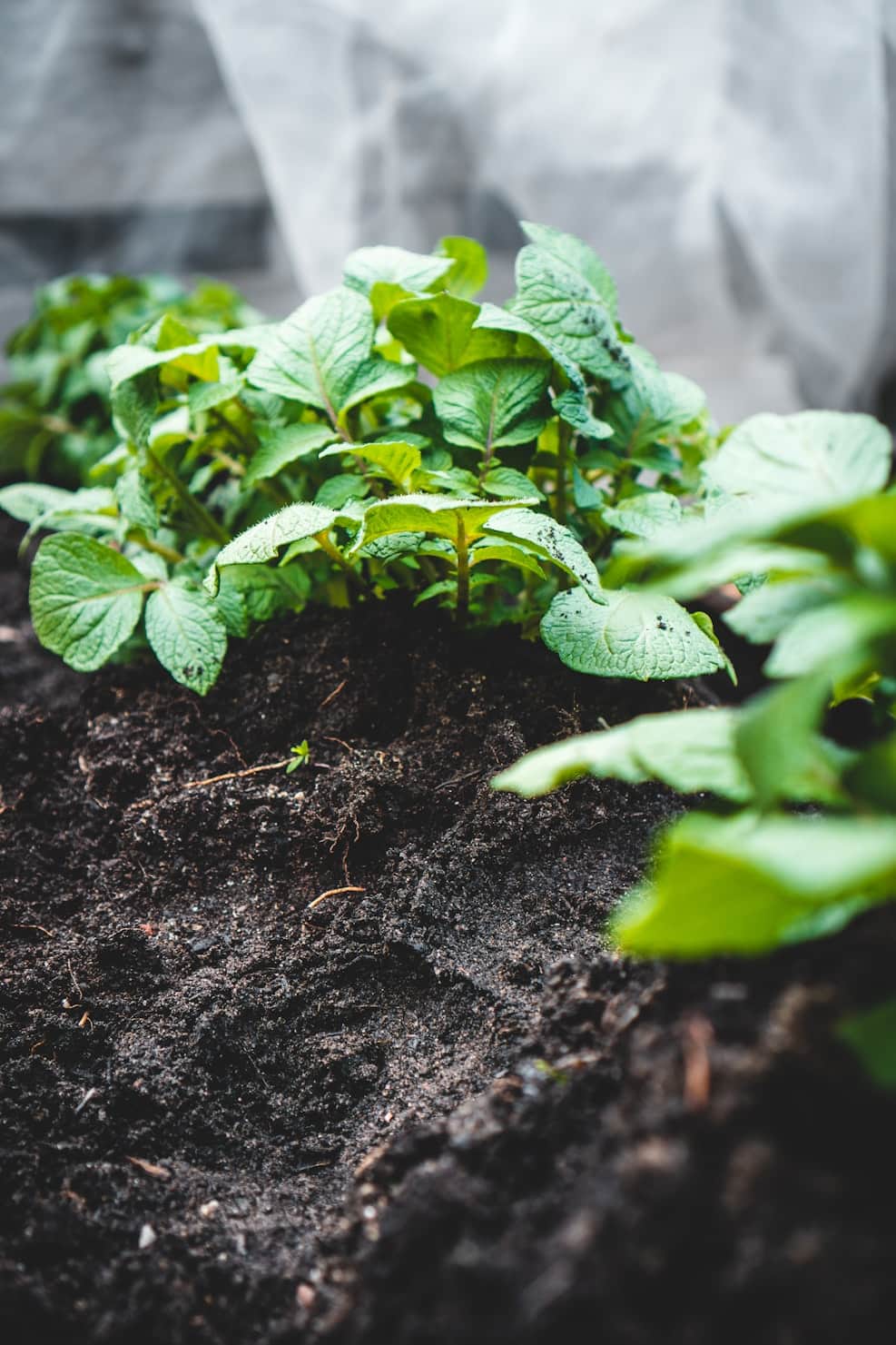
Soil Analyzer
Upload a close-up photo of soil and get an estimate of its texture, color, and condition.

Animal Identifier
Upload a photo of an animal and get its likely species, habitat, and the traits that gave it away.

Cloud Identifier
Upload a sky photo and see which cloud types it most likely shows.
Plant Disease Identifier
Photograph a plant with spots, wilting or discoloration and get a read on what might be wrong.
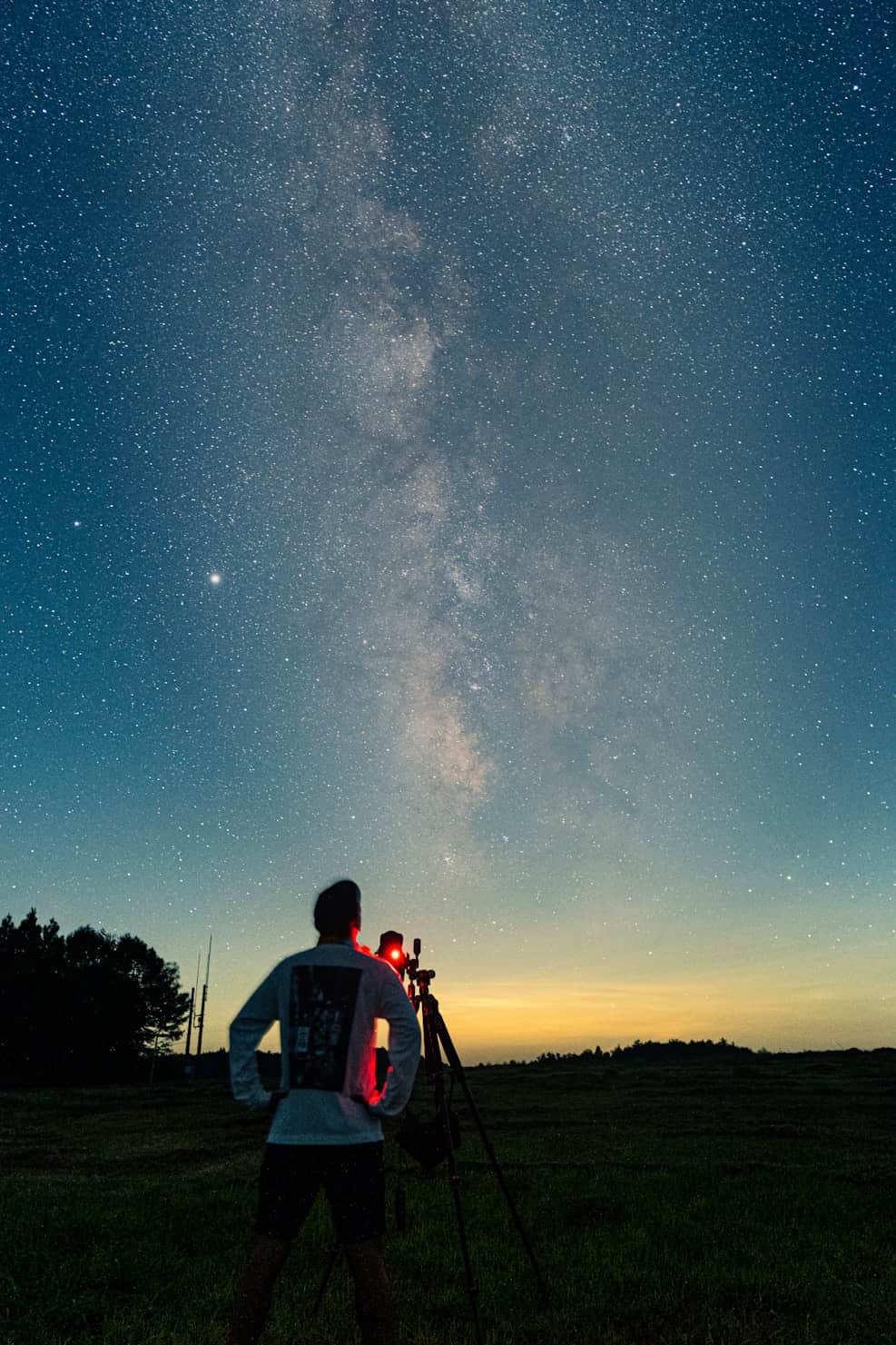
Telescope Image Analyzer
Upload a night sky photo and find out which stars, planets, or deep sky objects you actually captured.
Questions about Nature & Wildlife tools
Is the mushroom type identifier safe to rely on before eating a wild mushroom?
No. It offers an identification estimate for research purposes only, and you should never eat a wild mushroom based on a photo identification, since misidentification can be dangerous.
How accurate are the animal, bird, and plant identifiers?
They perform well on clear, well-lit photos of common species, but closely related species, juvenile animals, or partial views can reduce accuracy, so treat results as a strong estimate.
Can the soil analyzer replace a lab soil test?
No. It gives a visual estimate of texture and likely composition from a photo, while a lab test measures nutrients and pH precisely, which matters for serious planting decisions.
What kind of photo works best for the night sky tools?
A steady, reasonably clear night sky photo with visible stars or a telescope view gives the constellation, star, and telescope analysis tools the most to work with.