Facial Features Analyzer
Upload a clear photo and get a feature-by-feature read on your nose, lips, jawline, cheekbones and more.
What the Facial Features Analyzer does
Curious what a closer look at your face actually shows, beyond the mirror's quick glance? The facial features analyzer takes a single photo and walks through each feature on its own: nose shape, lip fullness, jawline definition, cheekbone structure, eyebrow arch, and overall symmetry. It's built for people weighing a new haircut, picking glasses frames, prepping for a shoot, or just wanting a specific vocabulary for features they've never had named before. You get a written breakdown plus a set of scores, and you can add a note in the details box if you want the analysis to focus on something in particular, like your jawline or brow shape.
See a sample result
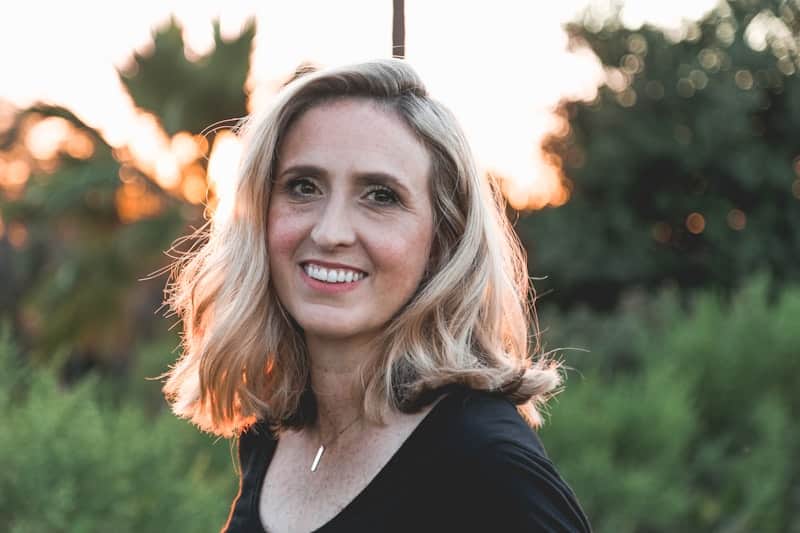
Input: A woman photographed outdoors at golden hour with her head tilted slightly and a wide, open smile. She has shoulder-length wavy blonde hair, a black top and a thin bar necklace, and the sunset lights her hair from behind while her face sits in soft, even shade.
- Jawline definition58%
- Cheekbone prominence64%
- Facial symmetry76%
- Eyebrow arch55%
Nose: A straight, narrow bridge with a softly rounded tip, well-proportioned to the rest of the face.
Lips: Medium fullness with a defined cupid's bow, and the smile shows an even, balanced curve.
Jawline: Softly tapered rather than angular, with gentle definition along the sides that suits the oval shape of the face.
Cheekbones: Moderately prominent, lifted further by the smile and giving the face some visible structure without being sharp.
Eyebrows: A natural, slightly arched shape that frames the eyes without looking overly groomed.
Symmetry: The two sides look close in proportion, with minor natural variation around the smile. The head tilt makes this a rough read; a straight-on photo with a neutral expression would give a firmer one.
Overall, this is a balanced, oval-leaning face shape with soft, rounded features and good natural symmetry.
How it works
- 1
Upload a front-facing photo
Use a photo taken straight on, with even lighting and your hair pulled back from your face. Avoid tilted angles or heavy shadows, since both can throw off how the model reads your jawline and cheekbones.
- 2
Add a note if you want a focus
The details box lets you point the analysis toward a specific feature, like "focus on my eyebrows" or "how symmetrical is my face," or leave it blank for a full rundown.
- 3
The AI reads each feature in turn
It looks at nose shape, lip shape and fullness, jawline definition, cheekbone prominence, eyebrow shape and arch, and facial proportions, then compares the sides of your face for symmetry.
- 4
Get a written breakdown with scores
You receive a description of each feature plus a set of 0 to 100 scores, so you can see at a glance where a feature reads as more pronounced or more subtle.
Use cases
Choosing a hairstyle or glasses frames
A stylist or optician often talks about jawline and cheekbone shape when recommending a cut or frame. Getting those terms explained on your own face first makes that conversation easier.
Prepping for a portrait or headshot session
Knowing which angles show off your bone structure ahead of a shoot can help you and a photographer plan poses and lighting.
Makeup and contouring reference
Understanding where your cheekbones and jawline actually sit helps when following a contouring tutorial that assumes a different face shape than yours.
General curiosity
Plenty of people have never had their features described in specific terms before and just want the vocabulary for their own face.
Tips for better results
- Use one clear, front-facing photo rather than a group shot or a heavily cropped selfie.
- Pull hair away from your forehead, cheeks and jaw so the outline of your face is visible.
- Skip heavy filters or beauty smoothing, since they can flatten the details the AI is reading.
- Natural daylight gives more even results than harsh overhead lighting or strong backlighting.
- If you want the analysis to focus on one feature, say so in the details box before running it.
Limitations
This is a visual estimate from an AI model looking at one photo, not a measurement, a medical opinion, or a cosmetic diagnosis. Lighting, angle, expression, and makeup can all shift how a feature reads, so the same face can come back with slightly different wording across two photos. Treat the result as a descriptive snapshot and a starting point for conversation, not a fixed fact about your face.
Frequently asked questions
How accurate is the facial features analyzer?
It gives a reasonable visual read based on what's visible in your photo, but it isn't a medical or forensic measurement. Different photos of the same face can produce slightly different descriptions depending on angle and lighting.
Will it tell me my face shape?
It touches on overall proportions as part of the breakdown, but for a dedicated face-shape read, the face shape analyzer is built specifically for that question.
Can I ask it about one specific feature?
Yes. Use the details box to add a note like "focus on my jawline" and the analysis will center on that feature.
What kind of photo works best?
A sharp, front-facing photo with even lighting and your hair away from your face gives the most reliable read. Side angles or dim lighting can throw off the jawline and cheekbone assessment.
Does it compare my features to celebrities or averages?
No. It describes what it sees in your photo on its own terms, without comparing you to other people or to a database of faces.
Is the analysis just flattery?
It's written in a positive, encouraging tone, but it's meant to be specific and descriptive rather than generic. If something reads as vague, try a clearer photo or a more direct note in the details box.
Plans start at $9 a month. See pricing