Soil Analyzer
Upload a close-up photo of soil and get an estimate of its texture, color, and condition.
What the Soil Analyzer does
You're staring at a patch of dirt in a raised bed or a new yard, trying to decide if it's worth planting in. Upload a close-up photo of your soil and the AI estimates its texture (sandy, clay, loam), color, structure, and visible organic matter, then suggests what it might grow well and what could help it. It's built for gardeners, allotment growers, and anyone curious about a patch of ground before they commit a season to it. A clear, well-lit shot gets you a written breakdown with scores, useful as a starting point before you dig deeper.
See a sample result
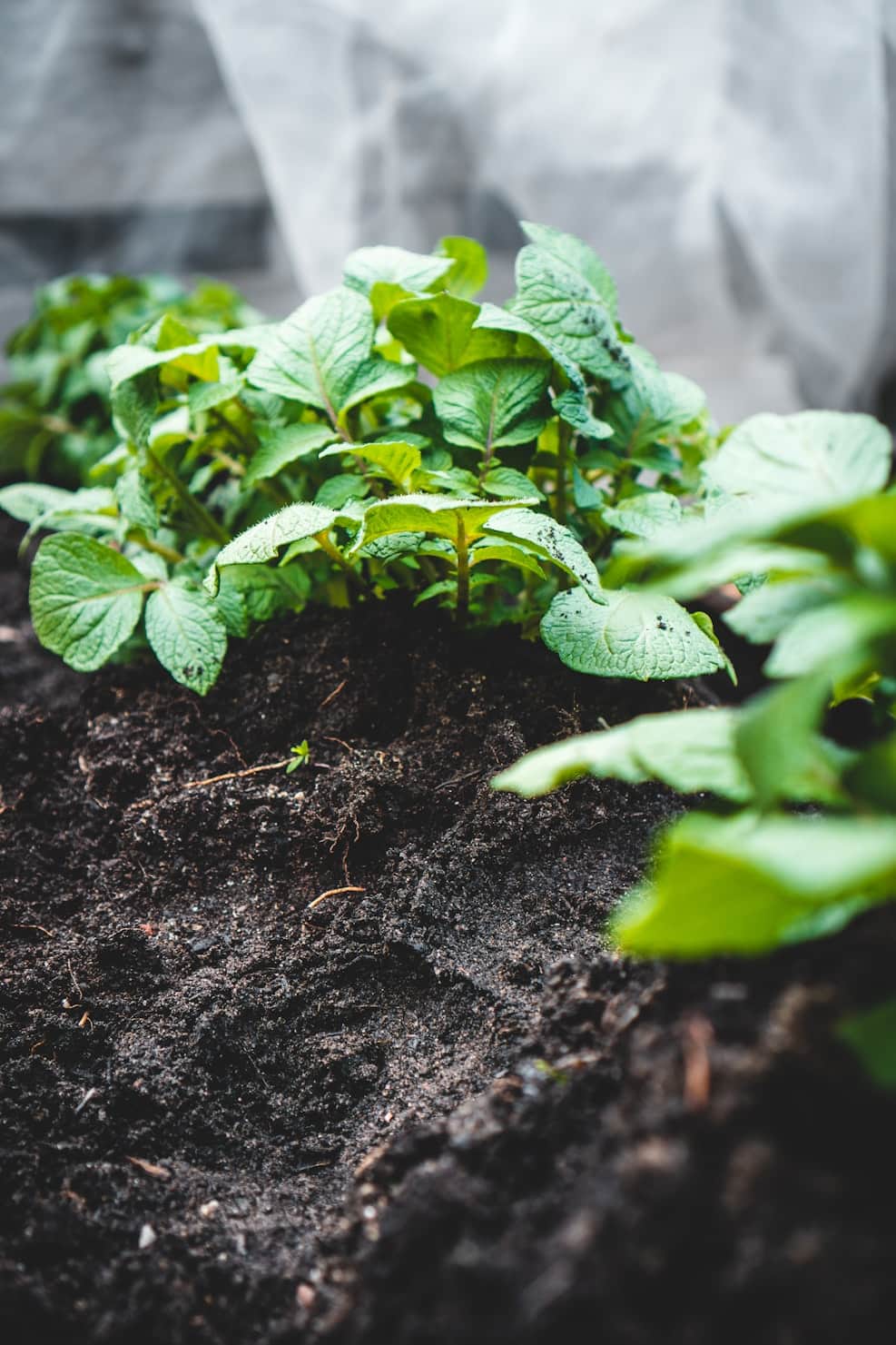
Input: A low-angle photo of dark, crumbly, slightly moist soil mounded up around young potato plants in a garden bed, with a few twigs and root fragments on the surface and white garden fleece out of focus behind.
- Organic matter80%
- Drainage72%
- Structure78%
Texture: Most likely a loam with a lot of added organic matter. The surface is fine and crumbly with no obvious sand grit or shiny clay slicks, though the exact sand and clay split can't be judged from a photo.
Color: Very dark brown to near black. That usually means plenty of organic matter, but the soil also looks damp, and moisture darkens color, so a dry sample would give a fairer read.
Structure: Loose, small crumbs that have been mounded around the stems without slumping, a sign of good aggregation. No surface crust or cracking.
Organic matter: Twigs, root fragments and darker flecks point to compost or manure worked in recently.
Drainage: Likely good. Crumbly, organic-rich soil like this usually drains freely while holding moisture.
For these plants: The mounding suggests the potatoes have been earthed up, which suits this loose soil. Keep hilling as they grow so the tubers stay covered and don't turn green.
Suggested next step: Nothing urgent. For pH or nutrient levels, use a test kit or a lab, since neither shows in a photo.
How it works
- 1
Take a close-up photo of dry soil
Dig a small handful from a few inches down, spread it on a flat surface, and shoot from about a foot away in daylight. Avoid photographing wet, muddy soil right after rain; moisture darkens color and hides texture.
- 2
Upload the photo
Drop the image into the tool. If you're comparing two beds or a topsoil bag against your yard, run them separately so the notes don't blur together.
- 3
Add context in the details box
Mention your region, what's currently growing there, or what you're planning to plant. A note like "raised bed, tomatoes struggling" shapes the recommendations you get back.
- 4
Read the breakdown
You'll get an estimate of texture and structure, a note on color and what it usually indicates, drainage and compaction observations, and a few improvement suggestions in plain language.
Use cases
Sizing up a new garden bed
Before you spend a weekend amending soil, get a quick read on what you're working with so you know whether to add sand, compost, or nothing at all.
Checking bagged topsoil or compost
Bagged products vary a lot between brands. A photo comparison can flag if a bag looks mostly wood fines rather than the loam it claims to be.
Diagnosing a struggling patch
If one corner of the yard never grows well, a soil photo alongside a note about the symptoms can point toward compaction, poor drainage, or low organic matter as likely culprits.
Comparing plots before renting an allotment
Photograph a few candidate plots and get a side-by-side sense of which one has darker, better-structured soil before you sign up for a season.
Tracking soil changes over a season
Photograph the same bed in spring and again in fall after adding mulch or cover crops, and compare the notes to see whether structure and color actually improved.
Tips for better results
- Shoot in natural daylight, not under yellow indoor lighting, which throws off color reads.
- Use dry or lightly moist soil rather than freshly soaked soil right after watering or rain.
- Get close enough that individual particles and clumps are visible in the frame.
- Include a small sample on a plain surface like a trowel or paper towel for a cleaner background.
- Photograph a few inches below the surface, not just the crust, since surface soil often differs from what roots actually sit in.
Limitations
This is a visual estimate from a photo, not a lab test. It can't measure pH, nutrient levels (nitrogen, phosphorus, potassium), salinity, or microbial activity, and it can't detect contamination like heavy metals or chemical residue. Color and texture cues are a reasonable starting point, but two soils can look nearly identical in a photo and behave very differently underground. If you're planning a serious planting investment, making decisions about a food garden, or troubleshooting a persistent problem, send a sample to a soil testing lab or your local agricultural extension office for actual measurements.
Frequently asked questions
Can this tell me my soil pH?
No. pH requires a chemical test strip, meter, or lab analysis. The analyzer works from visual cues in a photo, so it can suggest a texture and condition but not a pH number.
How accurate is a photo-based soil read compared to a lab test?
It's a starting estimate, not a substitute for a lab test. Texture and color are visible traits an AI model can reasonably describe, but nutrient content, pH, and contamination aren't visible in a photo at all.
What's the best time to photograph soil for this tool?
A day or two after rain, once the surface has dried but before it turns dusty, usually shows texture and structure most clearly. Avoid photographing mud.
Can I upload a photo of potting mix instead of garden soil?
Yes, the tool works on any loose growing medium, though bagged potting mixes are usually more uniform than natural soil, so the notes may be shorter.
Will it tell me what to plant?
It gives general suggestions based on the texture and organic matter it sees, like which vegetables tend to do well in that kind of soil. Add your region and climate in the details box for a more useful answer.
Does it detect pests or soil-borne disease?
It can flag obvious visible issues like mold or unusual color, but it isn't a diagnostic tool for pests, fungus, or plant disease. A local extension office or plant pathologist is the right resource for that.
Can I use this for a construction or drainage project instead of gardening?
It's built with gardening in mind. For engineering decisions like foundation work or drainage design, you need a geotechnical soil test, not a photo estimate.
Plans start at $9 a month. See pricing