AI Architectural Analysis
Upload a building photo and get a breakdown of its style, materials, and design choices.
What the Architectural Analyzer does
Some buildings stop you in the street, and it's hard to say exactly why. Upload a photo of a building, a facade, or a structural detail, and it reads the visible design: architectural style or influences, materials, structural elements, proportions, and symmetry. It also comments on how the design serves the building's apparent purpose and calls out any distinctive features worth noticing. You can add a note asking about a specific element, like a roofline or a material, and the answer will focus there. It's a visual read from a photo, not a structural or engineering inspection.
See a sample result
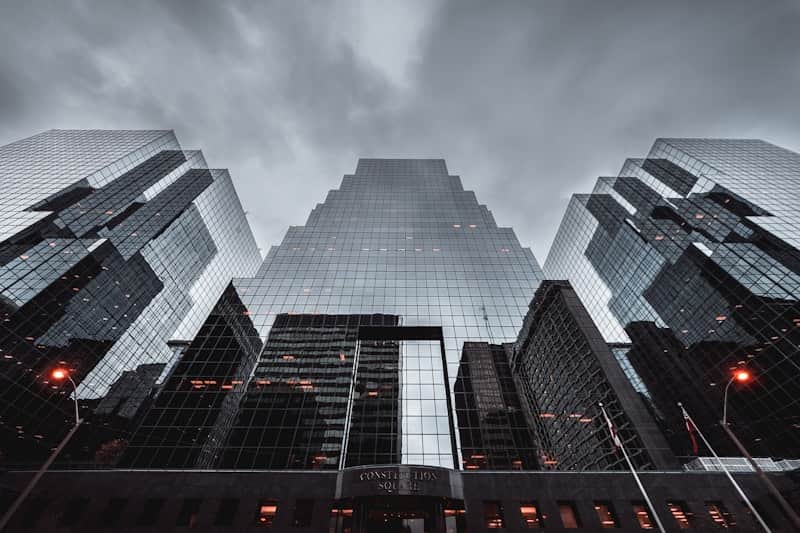
Input: A low-angle photo looking up at three glass-curtain-wall office towers against an overcast sky. A lit entrance canopy at street level reads "CONSTITUTION SQUARE", flagpoles and glowing street lamps stand out front, and the towers reflect each other across their glass.
- Modernist Style Match78%
- Material Identification Confidence82%
- Structural Clarity70%
Style: This reads as late-20th or early-21st century commercial modernism, built around fully glazed curtain-wall construction rather than load-bearing masonry, a hallmark of contemporary office towers designed to maximize daylight and views.
Materials and structure: The dominant material is a reflective glass curtain wall over a steel or concrete frame, visible in the repeating grid of window mullions across each tower's face. The stepped massing on the central tower, narrower near the top, breaks up what would otherwise be a flat glass box.
Design choices: Placing three towers close together around a shared ground-level plaza creates a canyon effect, common in dense commercial districts, and the reflective glass lets each building mirror its neighbors, visually multiplying the cluster from street level.
Notable features: The lit entrance canopy, flagpoles and interior office lighting point to a corporate office complex. The sign reads "Constitution Square", and an office complex by that name stands in downtown Ottawa, which fits what's shown, though the photo alone can't confirm it. The overcast sky also shows how the glass shifts from mirror-like to more transparent depending on the light hitting it.
How it works
- 1
Upload a photo showing the building clearly
A wide shot that captures the facade, roofline, or overall shape gives the model more to work with than a tight crop of one detail.
- 2
Add a note if you're curious about something specific
Ask about the style, the materials, or a particular feature like the windows or entrance, and the answer will address it directly.
- 3
The model reads visible design elements
It looks at materials, structural features, symmetry and proportion, and stylistic cues to place the building in a design tradition or era.
- 4
You get a written breakdown of the design
The result covers style, materials, structure, and notable features, along with commentary on how the design choices work together.
Use cases
Studying for an architecture or design course
A student photographs a building from a reading list or a field trip and uses the breakdown to check their own analysis of its style and structure.
Researching a property before buying
Someone considering an older building wants a general read on its construction era and materials before bringing in a professional inspector for the real assessment.
Writing about a building for a blog or project
A writer or photographer needs quick background on a structure's style and features to add context to a post or portfolio piece.
Comparing buildings on a walking trip
Someone touring a city's downtown photographs a few standout buildings to understand what design movements they represent and how they differ.
Tips for better results
- Photograph the building from an angle that shows both the facade and some of the roofline or massing.
- Take the photo in daylight when possible, since glare or heavy shadow can hide material details.
- Include a nearby building or object for scale if the structure's size is part of what you're curious about.
- Mention the building's location or approximate age in the notes if you know it, since that context sharpens the style read.
- For a specific detail, like a cornice or a window pattern, get closer and center it in the frame rather than relying on a wide shot.
Frequently asked questions
Can it identify the architect or exact building?
It focuses on style, materials, and design choices rather than pinpointing a specific architect or address, though it may recognize well-known buildings.
Is this a structural or safety inspection?
No. It's a visual design analysis from a photo, not an engineering assessment. Any concerns about a building's structural condition need a licensed inspector.
Can it tell me what architectural movement a building belongs to?
Yes, it estimates likely influences, like modernist, Gothic revival, or brutalist, based on visible style cues, though blended or unusual designs may not fit neatly into one label.
Does it work on interiors as well as exteriors?
It's built around exterior architecture, but it can comment on interior design elements if the photo clearly shows structural or stylistic features.
What if the building has features from more than one style?
The answer will note the mixed influences it sees rather than forcing the building into a single category, since many real buildings blend styles.
Can I ask follow-up questions about the same building?
Put a specific question in the details box when you upload the photo. For a different question, run it again, which uses credits.
Plans start at $9 a month. See pricing