Celebrity Lookalike
Upload a photo and see which celebrities share your eyes, jawline or overall look.
What the Celebrity Lookalike does
This celebrity lookalike tool reads the shape of your eyes, nose, mouth and jawline, then compares those proportions to well-known public faces to suggest who you might resemble. Instead of one flat answer, it usually points to more than one name, sometimes for an overall similarity and sometimes for a single standout feature like your smile or brow shape. It's built for fun rather than precision, the kind of thing you run before a night out or share in a group chat, and it explains its reasoning instead of just dropping a name with no context.
See a sample result
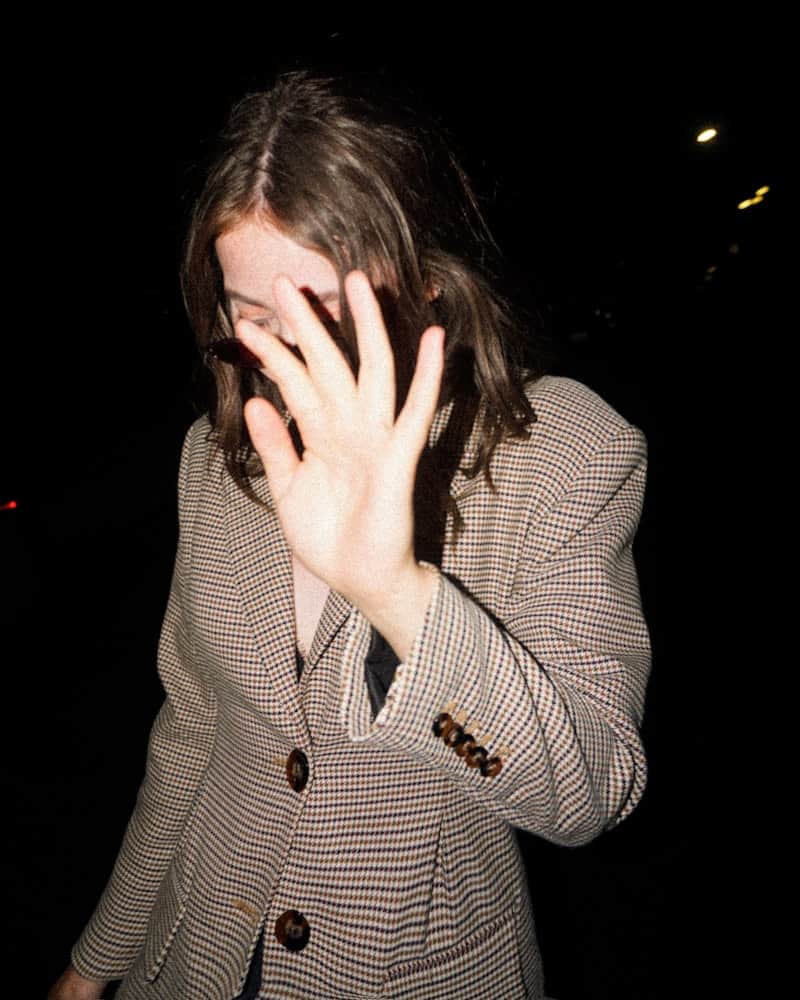
Input: A candid photo taken at night, the subject has shoulder-length brown hair and wears a checked houndstooth blazer, and is caught mid-motion with one hand raised to shield their face from the camera, leaving only part of the jawline, hairline and hand visible against a dark, blurred background with distant lights.
Lookalike read
Most of the face is shielded in this shot, so the match leans on what's actually visible: hair length and texture, jaw angle, and overall styling rather than a full feature-by-feature comparison.
- Hair and styling: the loose, shoulder-length waves and the tailored houndstooth blazer suggest an off-duty, editorial look closer to actresses often photographed in candid street-style shots than a polished red carpet look.
- Visible jawline: the small sliver of jaw and cheek visible reads as softly angular, which narrows the comparison somewhat but isn't enough alone for a confident full-face match.
Best overall match: a partial resemblance based on styling and visible bone structure, not a confirmed full match. For a stronger result, a clear, front-facing photo with the whole face visible would let the comparison use eye shape, nose and mouth proportions instead of just what's visible here.
How it works
- 1
Upload a clear, front-facing photo
A well-lit photo with your full face visible and a neutral or relaxed expression gives the tool the clearest set of landmarks to compare against.
- 2
The model maps your facial features
It reads your eyes, nose, mouth, face shape and bone structure the same way it would for any facial analysis, building a rough profile of your proportions.
- 3
It draws on what it knows about famous faces
There's no photo database lookup. The model compares your features with well-known celebrities it has learned about, feature group by feature group, since a resemblance in the eyes doesn't always come with a matching jawline too.
- 4
You get one or more matches with an explanation
The result names which specific features drove each match, so you can see whether it's your smile, your eye shape or your overall face structure doing the work.
Use cases
Settling a friendly debate
Friends and family often disagree about who you resemble; running a photo through the tool gives a specific, feature-based answer to argue about instead.
Fun content for social media
Lookalike results make an easy, shareable post, especially when the match comes with a specific feature callout rather than just a name.
Costume or party theme ideas
If your result points to a well-known celebrity, that can double as inspiration for a Halloween costume or theme night.
Comparing results across different photos
Since lighting, angle and expression all shift the result, some people run a few different photos to see how consistent the matches are.
Tips for better results
- Use a front-facing photo with your whole face visible, since partial or angled shots limit how much the tool can compare.
- Skip heavy filters or beauty smoothing, which can subtly change the proportions the tool is reading.
- Try a few different photos and expressions if you want to see which features drive the most consistent matches.
- Good, even lighting helps the tool read eye shape and jawline more accurately than dim or high-contrast shots.
Limitations
Resemblance is subjective and the tool works from the model's general knowledge of well-known public figures rather than a face-recognition database, so it can only suggest matches from names it knows, not the single closest face on earth. Results depend heavily on photo angle, lighting and expression, and a different photo of the same person can produce a different match. Treat this as an entertainment feature rather than a scientific facial comparison, and expect the confidence of a match to vary a lot depending on how much of the face is actually visible in your photo.
Frequently asked questions
How accurate is a celebrity lookalike tool like this?
It's built for fun rather than precision; matches are based on visible feature comparisons and can shift noticeably with a different photo, angle or expression.
Why did I get more than one celebrity match?
The tool often finds different celebrities matching different features, so you might resemble one person's eyes and another's jawline rather than a single full match.
Does it work with photos where my face is partially covered?
It can attempt a match using whatever is visible, hair, jaw, styling, but the confidence is lower than with a full, front-facing photo showing your whole face.
Can I use an old or filtered photo?
You can, but heavy filters, beauty smoothing or low-quality older photos can shift the proportions the tool reads and change the match.
Will the result always name someone famous I've heard of?
It draws from widely recognized public figures, so most results should be familiar names, though recognition can vary depending on your own frame of reference.
Plans start at $9 a month. See pricing