What Art Style Is This? Art Style Detector
Upload a photo of a painting and get its likely style, movement, and the techniques behind it.
What the Art Style Detector does
A museum ceiling, a print at a flea market, a painting your grandmother owned with no plaque or signature in sight: snap a photo of any of them and you'll get a read on what art style it belongs to. It reads brushwork, composition, color palette, and subject matter the way an art history course would, then names the most likely movement, its rough period, and the techniques that point there. You get more than a label. The result explains what in the image led to that call, notes a couple of close alternatives when a style could go either way, and points to artists whose work looks similar, so you have somewhere to start reading further.
See a sample result
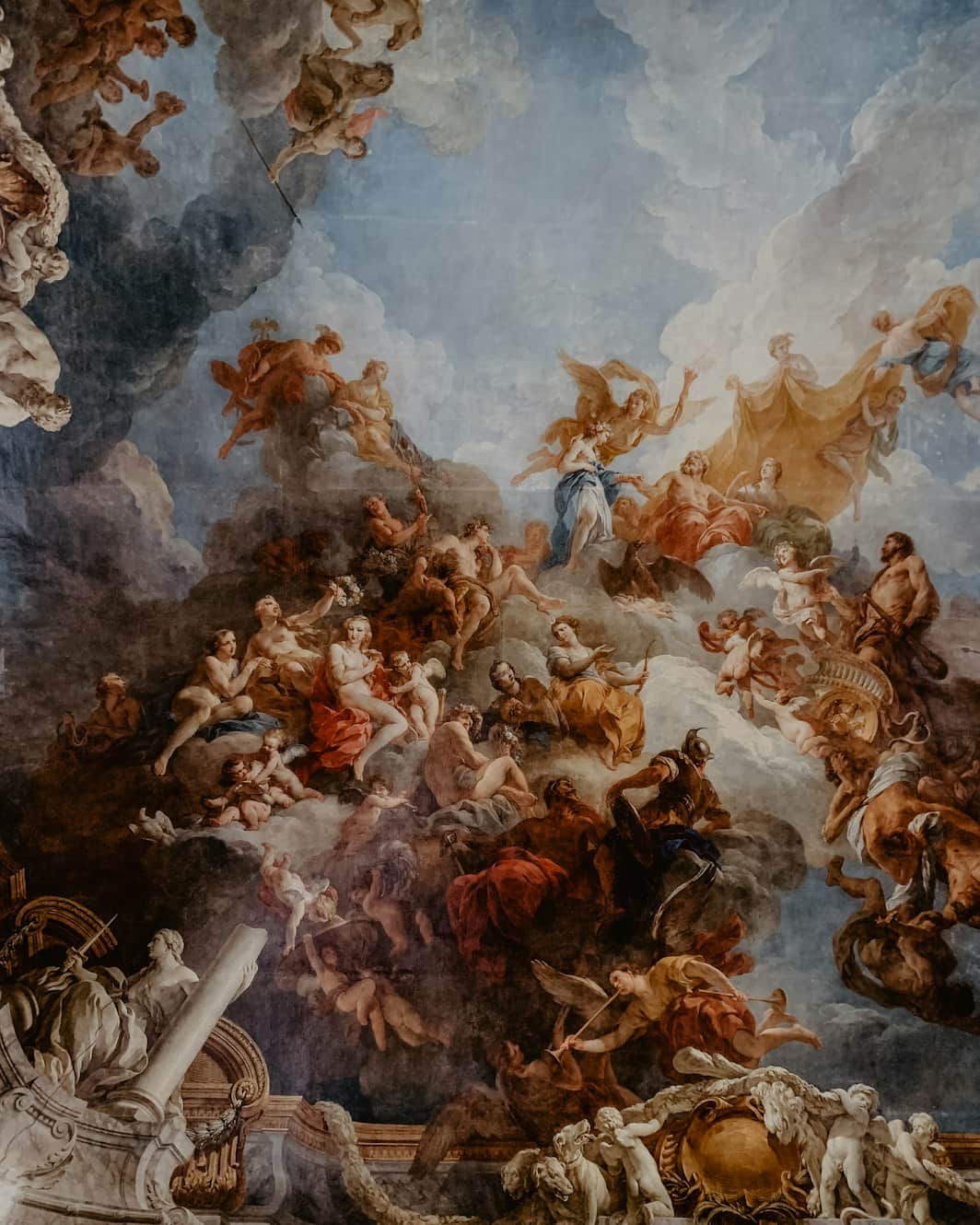
Input: A photo looking up at an ornate painted palace ceiling: dozens of mythological figures and cherubs drift among dense clouds toward a bright opening of sky, painted in warm golds, deep reds, and blue-gray tones, with a muscular bearded figure at the right and white carved stucco figures and gilded moldings along the bottom edge.
- Late Baroque58%
- Early Rococo38%
- Neoclassical4%
Likely style: Late Baroque French ceiling painting, from the period when Baroque was giving way to Rococo (roughly 1700 to 1740).
Possible match: The composition, the bearded, Hercules-like figure at the right, and the white stucco figures around the frame closely resemble François Lemoyne's Apotheosis of Hercules (1733 to 1736) in the Salon of Hercules at Versailles. If you took this photo there, that's almost certainly the work. The tool can't confirm it from the image alone.
What points there: The dramatic diagonal grouping of figures, the theatrical use of light radiating from a central deity-like figure, and the way the painted clouds appear to open the ceiling into open sky are all hallmarks of Baroque illusionism. The gilded stucco framing at the edges is typical of the period's palace and church ceilings, where painted and sculpted elements were designed to blend together.
Techniques: Rich, saturated color built up in layers, strong value contrast between lit and shadowed figures, and foreshortened bodies painted to be viewed from directly below, a technique called sotto in su.
Comparable artists: Charles Le Brun (the Hall of Mirrors at Versailles), Giovanni Battista Tiepolo, and Pietro da Cortona all produced ceiling work in this vein, using mythological or allegorical figures to fill large domed or vaulted spaces.
Close alternatives: The playful cherubs and pastel cloud tones point toward early Rococo, and a work from the 1730s sits right on that border. The crowded, dramatic composition still leans Baroque rather than Rococo's lighter, more ornamental touch.
How it works
- 1
Upload a clear photo of the artwork
Fill the frame with the piece and avoid glare from glass or varnish, which can hide brushwork and color detail.
- 2
The AI examines technique and composition
It looks at brushstroke texture, color palette, use of light and shadow, subject matter, and how the composition is built.
- 3
Add a question in the details box if you have one
Ask about a specific technique, a possible period, or whether it resembles a particular artist, and the analysis will address it directly.
- 4
Get the style, period, and comparable artists
The result names the most likely movement with scores for close alternatives, plus historical context and artists worth comparing it to.
Use cases
Identifying an unlabeled painting
You inherit or find a piece with no signature or plaque and want a starting point for researching who might have painted it.
Studying art history outside a classroom
A student photographs museum pieces or textbook plates and checks their own guesses against the tool's read of style and technique.
Vetting a piece before buying
Someone shopping at an estate sale or online listing wants a quick sense of whether a painting's style matches what the seller claims before pursuing an appraisal.
Finding artists to explore further
After identifying a style you like, use the comparable artists list as a reading list for prints, books, or exhibitions to seek out.
Checking your own artwork's influences
Painters and illustrators upload their own work to see which historical styles or techniques an outside eye associates with it.
Tips for better results
- Photograph the piece straight on rather than at an angle, since distortion can make brushwork and proportions harder to read.
- Avoid direct flash on framed or varnished pieces; the glare can hide the color and texture the analysis relies on.
- Crop out wide mats or frames so the artwork itself fills most of the image.
- If you know the approximate date or location of the piece, mention it in the details box to help narrow the result.
- Treat the comparable artists as a starting point for research, not a claim about who painted your piece.
Limitations
This is a visual read of style and technique, not an authentication service. It can't confirm an artist's identity, verify age or provenance, or replace a professional appraisal. Two styles can look similar from a photo alone, especially across transitional periods, so treat close alternatives as genuinely possible, not just a hedge.
Frequently asked questions
Can this tool identify the actual artist who painted the piece?
It names a likely style and comparable artists whose technique resembles what's in the photo, but it doesn't verify authorship or authenticate a specific painting.
Does it work on photos of paintings, or only digital art?
It works on photos of physical paintings, prints, murals, and frescoes, as well as digital artwork, as long as the image is clear enough to show brushwork or composition detail.
What if the style could be one of two different movements?
The result lists scores for the top candidates rather than forcing a single answer, since many styles share techniques, especially across neighboring periods.
Can it date a painting?
It can suggest a rough period tied to the identified style, but it can't determine an exact date, since styles were often revived or imitated long after their original era.
Does it recognize modern or contemporary styles too?
Yes, it covers movements from classical and Renaissance painting through Impressionism, Cubism, Abstract Expressionism, and contemporary digital styles.
Will glare or a museum glass case affect the result?
Glare can obscure brushwork and true color, which may weaken the analysis, so angle the shot to minimize reflections where possible.
Plans start at $9 a month. See pricing