Flower Identifier
Upload a photo of a flower and get its species, growing needs, and lookalikes to watch for.
What the Flower Identifier does
A flower catches your eye at a garden, a florist, or on a walk, and you want more than just a guess at its color family. This tool reads the petals, leaves, and stem structure in your photo and identifies the likely species, down to genus and family when there's enough detail to work with. Along with the name, you get growing conditions, typical bloom season, and a note on species that look similar so you're not left second-guessing. It's built for gardeners, hikers, and anyone who wants a real answer instead of scrolling through lookalike photos online.
See a sample result
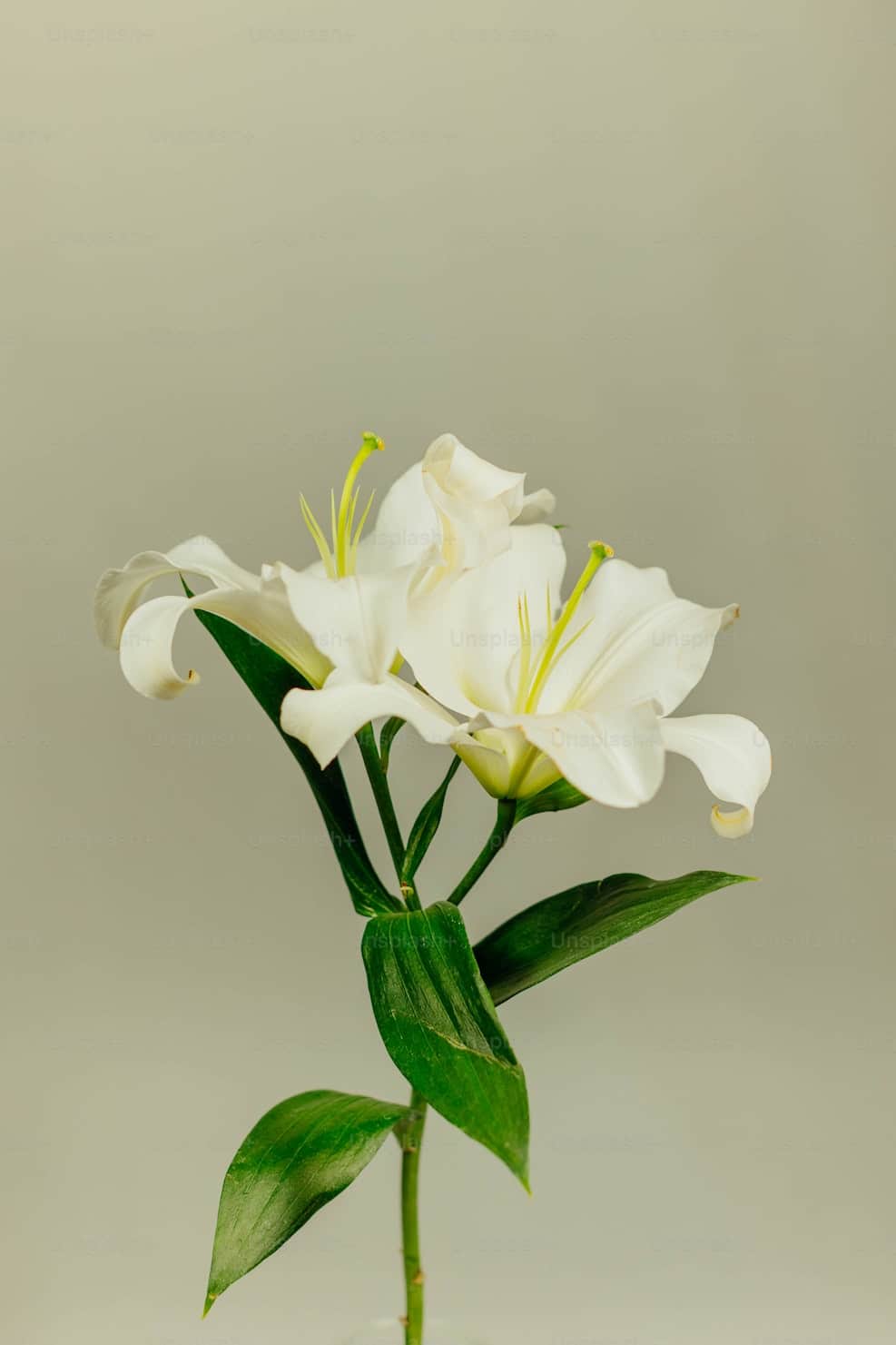
Input: A photo of a cluster of three large white lily blooms with curled petals and long protruding stamens, on a stem with broad green leaves, set against a plain light backdrop.
- Oriental Lily hybrid74%
- Easter Lily17%
- Madonna Lily9%
Most likely: Oriental Lily hybrid (Lilium, Oriental group), similar to 'Casablanca'
Family: Liliaceae. The large, outward-facing white blooms with recurved petal tips, prominent stamens, and broad glossy leaves point to a white Oriental lily hybrid, a common garden and cut-flower variety.
Distinguishing features
- Six-petaled white blooms with slightly recurved tips
- Long stamens tipped with pollen-heavy anthers extending well past the petals
- Lance-shaped leaves growing directly from a thick upright stem
- Multiple blooms clustered at the top of a single stalk
Growing conditions Lilies like this prefer well-drained soil, full to partial sun, and cool roots, often grown from bulbs planted in fall. They typically bloom in mid to late summer.
Lookalikes Easter lily (Lilium longiflorum) is also white but has a long, narrow trumpet with petals that flare only at the tips. Madonna lily (Lilium candidum) has smaller, more numerous blooms and narrower leaves. Lily pollen and all parts of the plant are highly toxic to cats.
How it works
- 1
Upload a photo showing the whole flower
Include the petals, center, and ideally some leaf or stem detail in frame, since botanists rely on more than just petal color to separate similar species.
- 2
The AI reads petal, leaf, and structural detail
It examines petal count and shape, color pattern, leaf arrangement, and stem characteristics to narrow down the species, genus, and family.
- 3
Get species probabilities and botanical detail
Because many flowers have close relatives that look alike, you receive the most likely match along with runner-up species and how confident each one is.
- 4
Read growing and care notes
The result includes typical growing conditions, bloom season, and cultivation tips, so you know how to care for it if it's in your own garden.
Use cases
Identifying plants while hiking
Photograph a wildflower on a trail and get an identification along with whether it's common or worth noting, without carrying a field guide.
Planning a garden bed
Identify a flower you liked elsewhere, then check its growing conditions and bloom season before deciding if it fits your climate and soil.
Naming flowers from a bouquet or gift
Get the species behind a bouquet you received, which is useful for knowing how long it will last and how to keep it fresh.
Checking for look-alike toxic or invasive species
Some attractive flowers have toxic or invasive relatives that look nearly identical. Comparing the top matches helps you tell which one you're actually dealing with.
Tips for better results
- Photograph the flower straight on so petal shape and count are clearly visible.
- Include a leaf or part of the stem in the shot, since leaf shape often separates similar species.
- Natural daylight shows true petal color better than indoor lighting with a yellow tint.
- For clustered blooms, get close enough that individual flower structure is still visible.
- If two species look alike in the result, note where and when you found the flower to help decide between them.
Frequently asked questions
How accurate is flower identification from a photo?
It's strong when petals, leaves, and structure are all visible, but flowers with many close relatives can be hard to separate down to the exact cultivar, so check the runner-up matches too.
Can it identify flowers down to species, not just genus?
It aims for species-level identification when the photo has enough detail, but for some genera with many similar species it may only confidently narrow things down to genus or family.
Will it tell me if a flower is toxic to pets?
It may mention well-known risks, like lilies and cats, but it isn't a safety tool. Once you know the species, check a dedicated toxicity list or ask a vet before assuming it's safe around pets or children.
Does it work for houseplants and cultivated garden flowers?
Yes, it covers wildflowers, garden varieties, and common houseplant blooms, reading the same petal and leaf features across all of them.
What if the flower has already wilted or lost petals?
It can still attempt an identification, but a fresher bloom with intact petals gives it more detail to work with and a more confident result.
Can I identify a flower from a photo I didn't take myself?
Yes, any clear photo works, whether it's one you took or a photo from a bouquet, catalog, or someone else's garden.
Plans start at $9 a month. See pricing