AI Emotion Analyzer
Upload a photo and see what emotion the face and posture in it appear to show.
What the Emotion Analyzer does
A candid shot from a party, a headshot you're not sure reads as friendly or tense, a screenshot from a video call where someone's face did something odd: any of these can go through this tool for a breakdown of the emotion visible in the frame. It looks at eyebrows, eyes, mouth, and posture the way a person would when reading a room, then names the primary emotion, a secondary one if the expression is mixed, and how intense the expression looks. The result is a read of what the face is doing in that instant, not a claim about what the person actually felt, since a photo freezes one moment and can catch an expression mid-change.
See a sample result
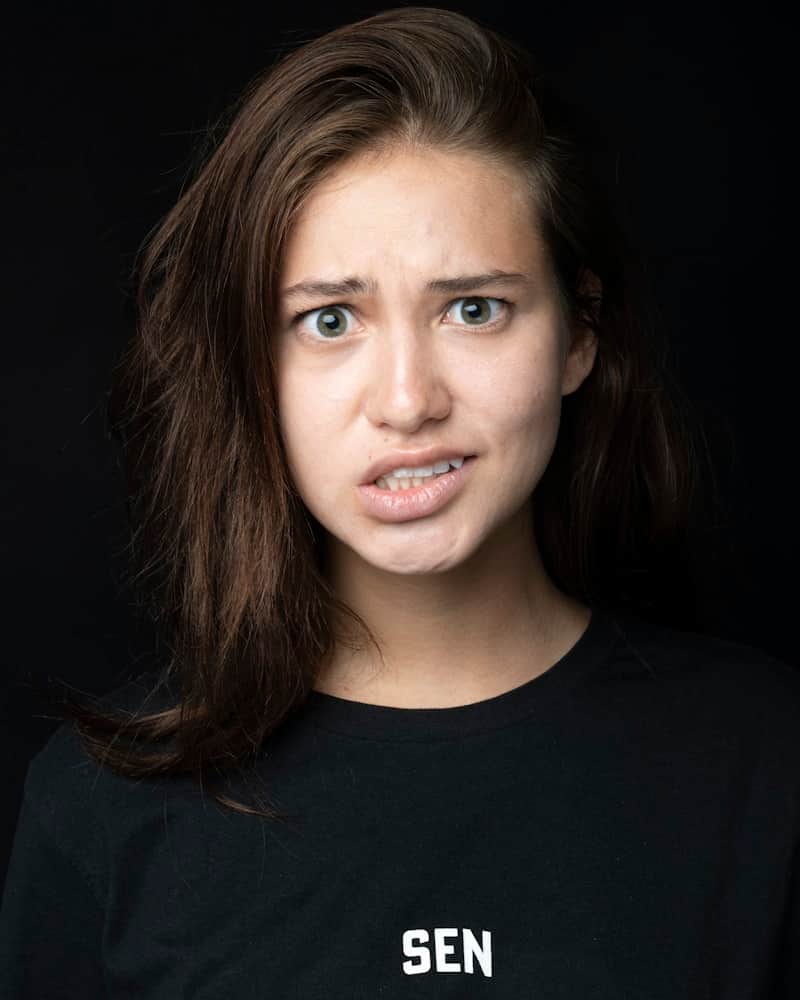
Input: A close, well-lit photo against a plain black background of a young woman with dark hair loose around her shoulders, wearing a black t-shirt. Her eyebrows are drawn together and pulled up in the middle, her eyes are wide, her nose is slightly wrinkled, and her mouth is pulled to one side with the upper lip raised so her top teeth show. The shirt has small white lettering on the chest.
- Disgust54%
- Fear27%
- Surprise12%
- Neutral7%
Primary emotion: Disgust (score below)
Secondary emotion: Fear, layered in through the wide eyes and raised inner eyebrows, which softens the disgust into something closer to alarmed recoil than simple distaste.
Intensity: Moderate to high. The nose wrinkle and lip pull are pronounced rather than subtle, and the eyes are open wider than a resting or mildly surprised face would show.
What points there:
- The wrinkled nose and raised upper lip, baring the top teeth, are the clearest disgust markers on the face.
- The eyebrows pulled together and lifted in the center, combined with wide eyes, add a startled, fearful edge rather than pure revulsion.
- Shoulders are square to the camera with no visible tension or retreat, so the body language reads as a reaction to something directly in front of her rather than an urge to flee.
Reading it: this looks like a reaction to something unexpected and unpleasant caught in the same instant, more "what is that" than calm distaste. A single frame can't confirm what triggered it or how she felt a second before or after.
How it works
- 1
Upload a photo where the face is clearly visible
Front-facing or three-quarter angles work best. Sunglasses, heavy shadow, or a face turned mostly away from the camera give the AI less to work with.
- 2
The AI reads facial cues and posture
It examines eyebrow position, eye openness, mouth shape, and body language like shoulder tension or hand position, then weighs how those cues typically combine.
- 3
Add context in the details box if you have it
Mention what was happening when the photo was taken, such as a surprise party or a tense meeting, and the analysis will factor that in.
- 4
Get the emotion breakdown
You get a primary and secondary emotion with scores, an intensity read, and notes on which facial and body cues pointed there.
Use cases
Picking a profile or headshot photo
Run a few candidates through it to see which one reads as warm and approachable versus tense or guarded before you post it anywhere.
Checking a candid before you share it
You caught a friend mid-laugh or mid-grimace and want a second opinion on whether the shot flatters the moment or looks awkward out of context.
Reviewing acting or modeling reference shots
Actors and models checking headshots or scene stills can see what emotion the frame actually communicates, which sometimes differs from what they were going for.
Choosing a stronger thumbnail
Content creators comparing frame grabs from a video can check which one shows the clearest, most legible expression for a thumbnail.
Curiosity about an old or unusual photo
A strange expression in an old family photo or a paused film still becomes a small puzzle you can get a plain-language read on.
Tips for better results
- Use a photo where the whole face is visible and well lit; deep shadow across the eyes or mouth hides the cues the analysis relies on.
- A face turned mostly in profile gives fewer readable cues than a front-facing or three-quarter shot.
- If the moment had unusual context, such as a jump scare or a joke that landed oddly, note it in the details box so the read isn't taken at face value alone.
- Expect mixed results on ambiguous expressions; a raised eyebrow and open mouth can plausibly be surprise, fear, or the start of a laugh.
- Try a couple of frames from the same moment if you have them; expressions can shift quickly and one frame might read more clearly than another.
Limitations
This tool reads the visible expression in a single photo. It doesn't know how the person actually felt, what happened right before or after the shutter clicked, or anything not visible in the frame, and it can misread expressions that look similar on the face but come from different feelings, like a grimace that could be pain, effort, or distaste. Culture, personal habit, and the specific muscles someone uses to smile or frown all vary, so treat the result as a description of what the face is doing, not a fact about the person's inner state.
Frequently asked questions
Can this tool tell me how someone actually felt?
No. It reads the expression visible in the photo, which is a snapshot of facial movement, not a measurement of internal feeling. The same face shape can come from more than one emotion.
Why did it pick two emotions instead of one?
Real expressions are often mixed, such as surprise shading into fear or joy blending with relief. The tool reports a primary and secondary emotion with scores rather than forcing a single label when the cues point two ways.
Does it work on group photos?
It works best on one clear face at a time. In a group shot, upload a cropped version focused on the person you want read, since small or partly hidden faces give the AI less to go on.
Will lighting or filters change the result?
Yes. Heavy shadow, harsh flash, or filters that smooth or distort facial features can hide or exaggerate the cues the analysis relies on, so a plain, evenly lit photo gives the most reliable read.
Can it detect emotions in cartoons, drawings, or emojis?
It's built to read human facial expressions in photographs. Illustrated or stylized faces may still get a result, but the cues an artist chooses to draw don't always map to the same rules as a real face.
Is this the same as a lie detector or a mental health screening?
No, and it isn't intended for either. It's a descriptive read of a facial expression for curiosity or creative use, not a diagnostic or investigative tool.
Plans start at $9 a month. See pricing