Mushroom Identifier
Upload a photo of a mushroom to get a likely species along with the features that point to it.
What the Mushroom Type Identifier does
Found a mushroom on a walk and want a name for it? Upload a photo and the identifier walks through what it can see: cap shape and color, gill or pore pattern, stem features, and habitat clues like grass, leaf litter, or dead wood. It returns a likely species or genus, ranked against close look-alikes, plus notes on what makes that call uncertain. It's useful for curiosity on a hike, narrowing down a photo you took for a foraging group, or learning to read the features mycologists actually use. It is not, and cannot be, a safe way to decide whether a mushroom is edible.
See a sample result
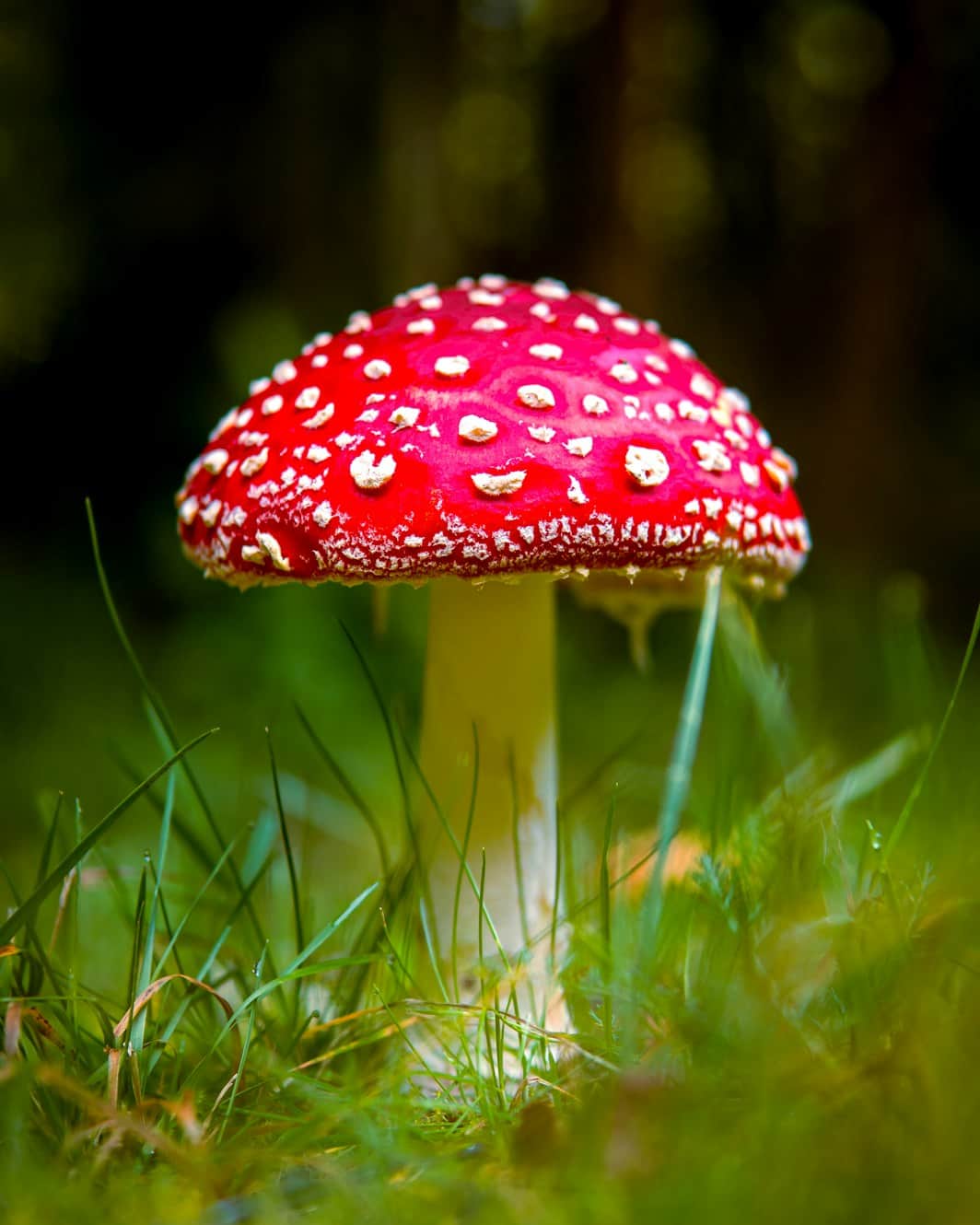
Input: A close-up photo of a mushroom growing in grass, with a bright red, domed cap covered in white wart-like spots and a pale, off-white stem.
- Amanita muscaria82%
- Amanita parcivolvata11%
- Amanita jacksonii7%
Likely identification: Amanita muscaria (fly agaric)
The red cap with scattered white warts, the pale gills, and the tall whitish stem are the classic combination for this species. The ring on the stem, another usual feature, isn't visible in this shot. It's one of the more recognizable mushrooms in temperate woodland and grassy edges near trees, and it commonly fruits in late summer and autumn.
Key features seen: domed red cap fading toward the edge, white cap warts (remnants of the universal veil), unattached white gills, and a stem base that often shows a bulbous, ragged sock-like structure not fully visible in this photo.
Safety note: Amanita muscaria is toxic if eaten and contains compounds that cause serious poisoning symptoms. Look-alikes worth ruling out include Amanita parcivolvata (red with warts but usually no ring) and the orange-red Amanita jacksonii, and several deadly Amanita species share the same general shape and pale gills. Do not eat any wild mushroom based on this or any photo identification. If a mushroom has been eaten and there's any concern, contact a poison control center or emergency services right away rather than waiting to confirm the species.
How it works
- 1
Photograph the whole mushroom
Get the cap from above, the underside showing gills or pores, and the base of the stem in frame if you can. A single top-down shot leaves out most of the features identification depends on.
- 2
Include something for scale
A coin, a hand, or a known object nearby helps convey size, since cap width and stem length are part of how similar species are told apart.
- 3
The tool reads cap, gills, stem, and habitat
It looks at cap shape and surface texture, gill spacing and attachment to the stem, stem color and any ring or cup at the base, and what the mushroom is growing in or near.
- 4
Get a ranked identification with safety notes
You get a most-likely species with a confidence estimate, close look-alikes worth ruling out, and a caution any time the species or a look-alike is known to be dangerous.
Use cases
Learning what you're looking at on a hike
Snap a photo of a mushroom you noticed on a trail and get a starting point for its name and family, then look it up further if you're curious.
Narrowing down a photo before asking a local expert
Foraging groups and local mycological societies often ask for cap, gill, and stem photos anyway. Running the identifier first can help you know what extra angle or detail to capture before you ask a person.
Garden and yard mushrooms
Mushrooms that pop up in mulch or lawn after rain are usually harmless to look at but worth knowing about, especially with kids or pets around who might be curious about them.
Photography and nature journaling
If you photograph fungi as a hobby, getting a name attached to the shot makes it more useful to log and share later.
Tips for better results
- Photograph the gills or pores on the underside of the cap; this is one of the most identifying features and is easy to forget to capture.
- Type the habitat and anything a photo can't show into the details box: growing on wood or in grass, the nearby trees, the smell, or a spore print color.
- Check for a ring on the stem or a cup-like structure at the base, both important clues that are easy to miss in a quick photo.
- A fresh, unbruised mushroom photographs more clearly than one that's been kicked, rained on, or partly eaten by insects.
- If you're identifying for a foraging club or study, take a spore print separately; color alone rules out entire groups of species.
Limitations
This is species identification from a photo, not a safety verdict, and it should never be treated as one. Many edible and toxic mushrooms look nearly identical in a single image, especially at the young or immature stage, and features like spore print color, smell, or how the flesh bruises often can't be judged from a photo at all. Lighting, angle, and the mushroom's age can all shift how it looks. Never eat a wild mushroom based on an app or AI identification of any kind, this one included. If you're considering foraging for food, learn from and verify with an experienced local expert or a mycological society in person, and when in doubt, treat the mushroom as inedible.
Frequently asked questions
Can I eat a mushroom if this tool identifies it as edible?
No. This tool is for learning and narrowing down a species, not for deciding what's safe to eat. Never consume a wild mushroom based on a photo identification from any app or AI, including this one. Confirm with an experienced local expert in person before ever considering eating a foraged mushroom.
Why does the result show more than one possible species?
Many mushrooms have close look-alikes that share cap color, shape, or habitat, and a single photo often can't fully separate them. The result ranks the most likely matches so you know what else to check.
What photo angle gives the best identification?
A shot of the top of the cap, a shot of the underside showing gills or pores, and a shot of the stem base together give far more to work with than one photo from directly above.
Can it identify mushrooms that aren't fully grown yet?
It can attempt it, but young or button-stage mushrooms often lack the features that separate similar species, so the confidence on an immature specimen tends to be lower.
Does it work on dried or cooked mushrooms?
It's built around fresh, whole mushrooms as found in the wild. Dried, sliced, or cooked mushrooms have lost the shape and color cues the identification relies on.
What should I do if I think someone ate a poisonous mushroom?
Contact a poison control center or emergency services immediately. Don't wait for an app, a photo identification, or an online search to confirm the species first.
Can it tell me if a mushroom is safe to touch?
Most mushrooms are fine to handle briefly, but a few can cause skin irritation. If you're unsure, handle any wild mushroom with gloves or wash your hands afterward rather than relying on an identification to decide.
Plans start at $9 a month. See pricing