Outfit Color Matcher
Upload a photo and get outfit color combinations built around your skin tone.
What the Outfit Color Matcher does
Standing in front of a closet full of clothes that somehow never look quite right together is a familiar problem, and it usually comes down to color rather than the pieces themselves. This tool looks at a photo of your face and reads your skin tone and undertone the way a colorist would, then suggests outfit color combinations built around that reading. You get named palettes rather than vague advice: which neutrals to anchor an outfit with, which accent colors bring out warmth or contrast, and which combinations to leave alone. It works for everyday outfits, an interview look, or a wardrobe reset when you're tired of reaching for the same three colors.
See a sample result
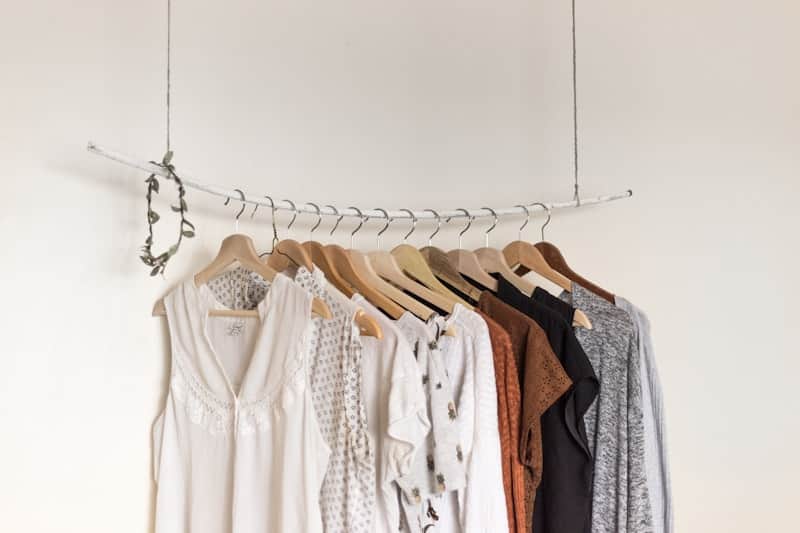
Input: A typical close-up selfie of a woman with warm, medium-golden skin, dark brown hair, and brown eyes, taken in soft natural light against a plain wall (the image at the top of this page, a rail of clothes, is an illustration).
- Warm undertone82%
- Cool undertone10%
- Neutral undertone8%
Undertone: Warm, with golden rather than pink or olive undercurrents. Medium depth, moderate contrast between hair and skin.
Best neutrals: Camel, cream, chocolate brown, and warm charcoal. These read as an extension of your natural coloring rather than competing with it.
Colors that flatter: Rust, terracotta, olive green, mustard yellow, and warm coral. These sit close to your undertone on the color wheel and tend to make skin look brighter rather than washed out.
Suggested combination: A cream top with rust-colored trousers and chocolate brown accessories works as a complete warm palette for daytime. For evening, swap the cream for a deep olive and add gold-toned jewelry.
Approach with care: Icy pastels, true black paired directly against the face, and cool blue-based grays can flatten warm undertones. If you want to wear black, break it up with a warm accessory near your face, like a rust scarf or gold earrings.
Occasion note: For an interview, the camel and chocolate combination reads as polished without looking flat under office lighting.
How it works
- 1
Upload a clear, well-lit photo of your face
Natural daylight from a window gives the most accurate read. Avoid heavy filters, colored lighting, or makeup that shifts your natural coloring.
- 2
The AI reads your skin tone and undertone
It looks at overall depth, warm versus cool undertones, and contrast between your skin, hair, and eyes, the same factors a color consultation covers in person.
- 3
Mention an occasion or a color you want to wear
Use the details box to ask about a specific event, a piece you already own, or a color you're curious about, and the recommendation will account for it.
- 4
Get outfit color palettes with reasoning
The result names specific colors and combinations, explains why they flatter your coloring, and calls out which ones to approach with more care.
Use cases
Building a capsule wardrobe
Get a palette of colors that work together before you buy anything new, so pieces mix and match instead of sitting unworn.
Dressing for an interview or big event
Ask specifically about a job interview, wedding, or presentation and get a combination that photographs well and reads as put together.
Shopping with a plan
Check a color against your palette before buying it online, instead of guessing whether it'll actually suit you once it arrives.
Refreshing a wardrobe that feels stale
If you keep reaching for the same gray and black pieces, use the suggested accent colors to add variety without buying a whole new closet.
Coordinating outfits for a shoot or event
Photographers, stylists, or anyone planning a family photo can check what color range will look best on the people in front of the camera.
Tips for better results
- Use natural daylight rather than indoor bulbs, which can shift how warm or cool your skin reads.
- Skip photos with heavy filters or color grading applied, since they change the undertone the AI sees.
- Take the photo bare-faced or with your usual makeup, not a dramatic look that changes your coloring.
- If you already own a color you love, mention it in the details box and ask what to pair it with.
- Photograph your hair and eyes clearly too, since contrast between them and your skin affects which combinations work best.
Limitations
This is a visual read of coloring from a single photo, not a professional color analysis or a guarantee that any combination will suit you in person. Lighting, camera white balance, and skin changes from sun exposure or season can shift the result, so treat the palette as a starting point and trust your own eye once you try the colors on.
Frequently asked questions
Does it work for men's outfits too?
Yes, the color reasoning is based on skin tone and undertone, not gender, so the same palette approach applies to any wardrobe.
Can I ask about a specific color I already own?
Yes, mention the color in the details box and the result will say whether it fits your palette and what to pair it with.
Will the result match my skin tone exactly under different lighting?
Not exactly. Indoor lighting, tanning, and camera settings all shift the color the AI sees, so results can vary between photos taken at different times.
Does it recommend specific clothing items or just colors?
It focuses on colors and combinations rather than specific garments, since the same palette can work across very different styles.
Can it tell me what season type I am?
It can describe your undertone and depth in plain terms, and if you ask about seasonal color analysis terminology in the details box, it will relate the result to that system.
What if I want a bold color that isn't on my recommended list?
Ask about it directly. The tool will explain how to wear a color outside your usual palette, such as keeping it away from your face or pairing it with a flattering neutral.
Plans start at $9 a month. See pricing