Photogenic Test
Upload a photo and get feedback on your camera presence, pose, and expression.
What the Photogenic Test does
Some people insist a camera never gets a good angle of them, and it's rarely about their actual face; it's usually the pose, the lighting, or a split-second expression that a small adjustment could fix. This tool looks at a photo the way a photographer scouting for a good shot would: how natural the expression reads, whether the pose and angle work with the lighting, and what's making the photo land or fall flat. You get a photogenic score along with specific, encouraging notes on what to repeat next time and what small change would make the biggest difference.
See a sample result
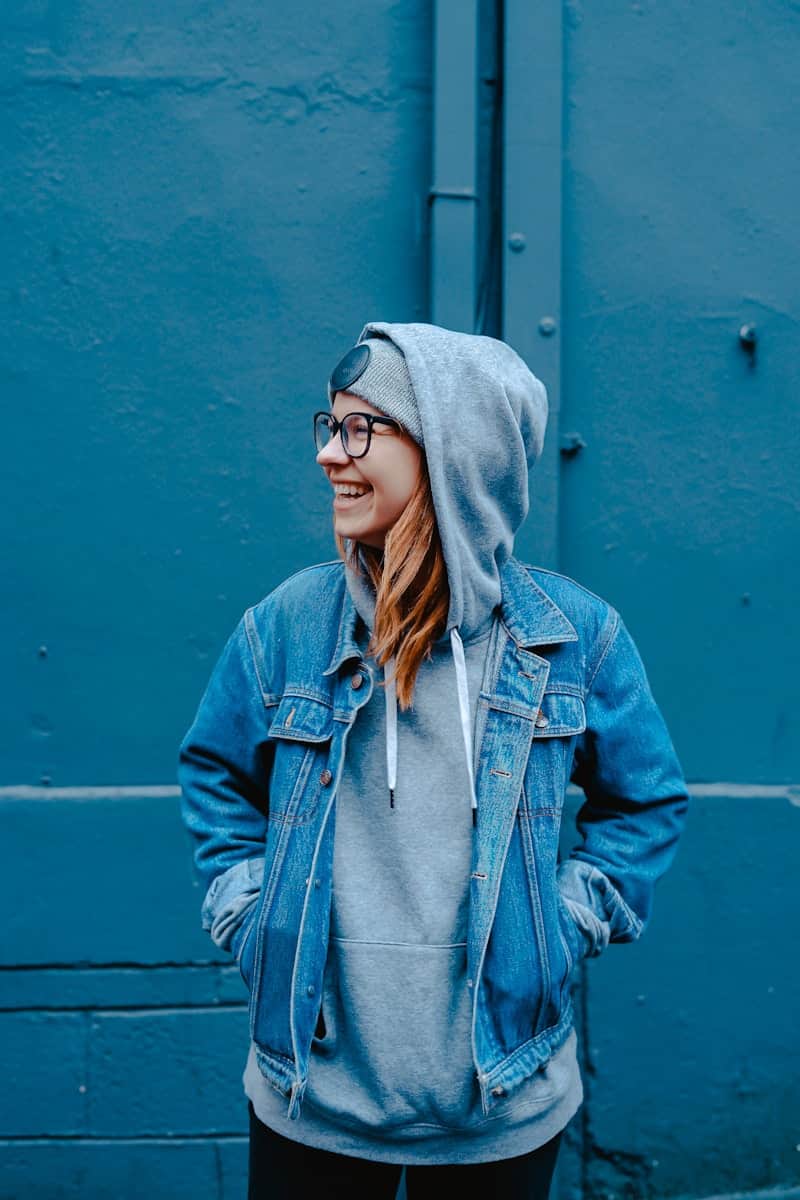
Input: A candid outdoor photo of a woman in a denim jacket and gray hoodie with the hood up, wearing glasses, laughing genuinely while looking off to the side, against a plain teal wall.
- Camera presence84%
- Expression naturalness90%
- Lighting and angle78%
Overall read: This photo works well because the laugh looks unplanned. Genuine expressions almost always photograph better than a held smile, and that's carrying most of the shot.
Expression: Natural and relaxed. The eyes are engaged in the laugh rather than just the mouth, which is what separates a real smile from a posed one in photos.
Angle and pose: Looking slightly off-camera rather than straight at the lens gives the photo a candid, unposed feel that suits this kind of shot. The hands-in-pockets stance keeps the posture relaxed instead of stiff.
Lighting: Flat, even light with no harsh shadows across the face. The plain, saturated wall behind you keeps attention on your expression instead of a busy background.
What to try next: For a shot where you want direct eye contact with the camera, practice a few relaxed, closed-mouth expressions in a mirror first. It's harder to fake a genuine laugh on command, so photos where something actually made you laugh tend to outperform posed ones.
How it works
- 1
Upload a recent photo of yourself
A candid or posed shot both work. Front-facing or a slight angle with your face clearly visible gives the most useful read.
- 2
The AI looks at expression, pose, and lighting
It checks how natural the smile or expression looks, whether the angle and posture work together, and how the lighting is hitting your face.
- 3
Add a note if you want feedback on something specific
Ask about a particular angle, a photo you're planning to use for a profile or headshot, or what to change for next time.
- 4
Get a score and practical tips
The result names what's working, calls out anything working against the shot, and gives you tips to try in your next photo.
Use cases
Preparing for a headshot or profile photo session
Test a few candidate photos beforehand to see which pose and expression style photographs best on you before booking or shooting more.
Improving dating app or social profile photos
Get specific feedback on why one photo of you performs better than another, rather than guessing which one to lead with.
Practicing for an on-camera role
Actors, presenters, and anyone preparing for video work can check whether their expressions and angles read as natural on camera.
Choosing between a few options from a shoot
When you have several similar photos from the same session, compare their scores to help decide which one to actually use.
Building confidence in front of a camera
If you feel awkward in photos, seeing specific, fixable notes rather than a vague verdict makes it easier to know what to adjust.
Tips for better results
- Use even, natural light rather than harsh overhead light or direct flash, which can create shadows that work against your features.
- Try a photo where you're reacting to something rather than holding a static smile for the camera.
- Test a few different angles, since a slight turn or tilt of the head can change how a photo reads more than expression does.
- Avoid heavy filters when testing, since they can mask lighting or pose issues you'd want to know about.
- If a specific photo is for a headshot or profile, mention that in the details box so the feedback matches the intended use.
Limitations
This is a subjective, visual read of a single photo, not a measurement of attractiveness or a guarantee about how you'll be perceived in person. Lighting, camera angle, and the moment a photo was taken all affect the result, and the same person can score very differently from one photo to the next. Treat the feedback as tips for your next shot, not a verdict on how you look.
Frequently asked questions
Is this measuring how attractive I am?
No, it looks at camera presence, expression, pose, and lighting rather than attractiveness. Two very different-looking people can both score well by working with good light and a natural expression.
Why did two photos of me get different scores?
Lighting, angle, and expression change from shot to shot, and those factors affect the score more than your appearance does. That's part of why testing a few photos is useful.
Can it help me improve for an upcoming photoshoot?
Yes, mention the shoot in the details box and ask for tips tailored to that setting, such as a headshot, event, or casual portrait.
Does a posed or candid photo work better for this test?
Both work. Candid photos often score well on expression naturalness, while posed shots can score well on angle and lighting control. Try both to see which style suits you.
Will it tell me exactly which angle is my best?
It can point out what's working in the angle you uploaded, and if you test a few different photos, patterns in the feedback will point you toward what tends to work for you.
Can lighting really change the result that much?
Yes. Harsh overhead light or backlighting can flatten features or cast shadows that a soft, even light source wouldn't, and that shows up clearly in the score.
Plans start at $9 a month. See pricing