Professional Photography Evaluator
Upload a photo and get a written critique of its lighting, composition, and technical execution.
What the Professional Photography Evaluator does
Getting real feedback on your photography is hard when friends default to 'looks great' no matter what you show them. Upload a photo and this tool gives you the kind of critique a working photographer would: how the lighting is handled, whether the composition and framing earn their place, what the focus and exposure are doing, and how the shot holds up against professional standards for that kind of image. It doesn't just say good or bad; it names specific things, like a blown-out highlight or an off-balance crop, and explains why they matter. You get a written breakdown plus scores across a few technical and creative categories, useful whether you're building a portfolio or just trying to improve one shot at a time.
See a sample result
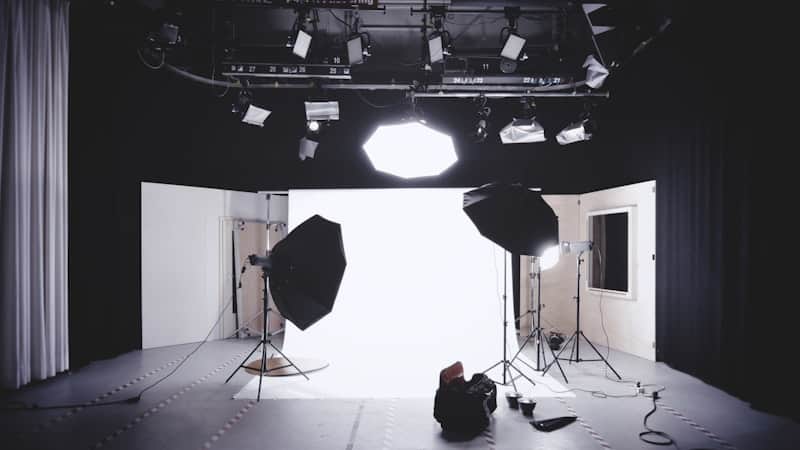
Input: A wide photo of an empty photo studio: a white seamless backdrop in the center, two octagonal softboxes on stands angled toward it, a large round light and several spotlights hanging from a ceiling rig, black curtains on both sides, and a camera bag on the floor. The image has a cool, desaturated grade.
- Lighting quality68%
- Composition72%
- Technical execution64%
- Creative impact58%
Lighting
The lit white backdrop is the brightest part of the frame and pulls the eye straight to the center, which works. The backdrop is close to clipping, though: the middle is nearly pure white with little texture left. Pulling the highlights down half a stop would keep the seamless paper readable.
Composition and framing
The near-symmetrical setup, with a softbox on each side and the round light above, gives a strong, deliberate structure. Two things weaken it: the camera bag on the floor sits just off-center and competes with the empty backdrop, and the backdrop sits a little right of center, with more curtain on the left than on the right. Recentering and either removing the bag or making it the clear subject would tighten the image.
Technical execution
Focus is acceptable across the scene, but shadows in the curtains and the ceiling are crushed to black, and the cool, desaturated grade makes the whites look slightly gray.
Overall
This works as a behind-the-scenes or studio-rental listing shot. For a portfolio, recenter the frame, recover the backdrop highlights, and decide what the photo is about: the empty set, or the gear.
How it works
- 1
Upload the photo you want evaluated
Full resolution helps more than a heavily compressed export, since fine detail in focus and noise is part of what gets judged. Portraits, landscapes, product shots, and event photography all work.
- 2
The AI reads technical and creative elements
It checks exposure, focus, lighting quality, and color, then separately looks at composition, framing, and overall creative impact, the same categories a photography critique or contest judge would use.
- 3
Mention the intended use in the details box
A phone snapshot judged as casual is different from the same framing submitted for a client portfolio. Naming the purpose sharpens the feedback instead of applying one generic bar to every photo.
- 4
Read the critique and scores
You get written notes on what's working and what isn't, plus scores across technical execution and composition, so you know exactly where to focus on the next shot.
Use cases
Building a photography portfolio
Run your strongest candidates through before submitting a portfolio or applying for photography work, and use the specific notes to pick which shots actually hold up.
Improving your skills between shoots
Upload a session's best frame and treat the critique as homework for what to fix, like exposure balance or crop, before your next shoot.
Deciding which shot from a session to deliver to a client
Compare a few finalists from the same shoot and see which one scores better on technical execution and composition before you hand over the final files.
Preparing for a photo contest or exhibition submission
Get a critique that mirrors the categories a contest judge might use, lighting, composition, technical execution, before you commit to an entry.
Tips for better results
- Upload the highest resolution export you have; heavy compression can hide or fake focus and noise issues.
- Include the full, uncropped frame if you're unsure about composition, since cropping in yourself can hide framing problems from the AI too.
- Mention the genre, portrait, landscape, product, or event, so the critique applies the right standards.
- If you're comparing two edits of the same shot, run them separately and compare the written notes side by side.
- Use the details box to ask about one specific concern, like whether the crop works, if that's your main question.
Limitations
This is a critique based on technical and compositional norms, not an objective verdict on artistic merit. Different photographers and clients value different things, and a low score on one category doesn't mean the photo fails as a whole.
Frequently asked questions
Does it judge based on personal taste or technical standards?
Mostly technical and compositional standards, like exposure, focus, and framing, that most photographers would agree on, though some notes on creative impact are inherently more subjective.
Can it evaluate video stills or only standalone photos?
It works on any single still image, including a frame pulled from video, as long as the resolution is good enough to judge focus and detail.
Will it tell me which editing software to use?
No, it critiques the image as it stands rather than recommending specific software. It might note that a highlight is blown out, but the fix is up to you.
Does genre matter, like portraits versus landscapes?
Yes, mention the genre in the details box. A tight portrait and a wide landscape get judged against different composition and lighting expectations.
Can I use this to compare two versions of an edit?
Yes, run each version through separately and compare the written critiques and scores to see which edit reads stronger technically and compositionally.
Is a low score a sign I should give up on a shot?
No. Read the specific notes; often one fixable issue, like a slightly soft focus point or an unbalanced crop, is dragging the score down rather than something fundamental.
Plans start at $9 a month. See pricing